Aluminum Alloy Products in the Automotive Sector
Applications of Aluminum Alloy Products in the Automotive Sector
Executive Summary
The global automotive industry is prioritizing lightweight engineering to extend electric vehicle (EV) driving ranges and meet strict carbon emission standards. Aluminum alloys have become essential materials in modern vehicle design. They offer an optimal balance of strength, weight reduction, and recyclability. This report analyzes the primary applications, processing technologies, and future trends of aluminum products in the automotive sector.
1. Key Automotive Applications of Aluminum Alloys
Aluminum products are replacing traditional steel across multiple vehicle systems to achieve weight savings of up to 40% in targeted components:
-
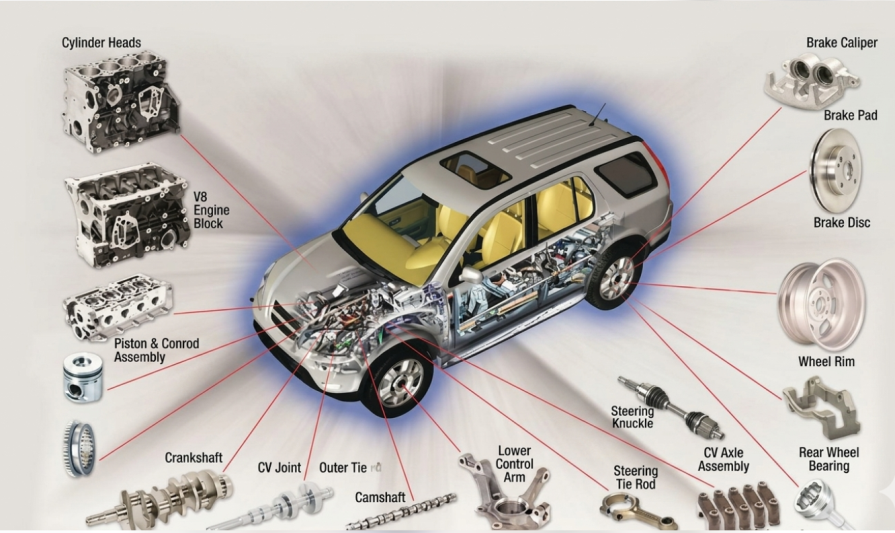
Powertrain and E-Mobility Components: Aluminum is the standard material for engine blocks, cylinder heads, and transmission cases. In EVs, it is critical for manufacturing lightweight battery enclosures, thermal management plates, and electric motor housings due to its high thermal conductivity.
-
Chassis and Suspension Systems: Key components like steering knuckles, control arms, brake calipers, and subframes utilize forged or cast aluminum. This reduces unsprung mass, directly improving vehicle handling, steering responsiveness, and ride comfort.
-
Body-in-White (BiW) and Closures: Aluminum sheets and extrusions are widely used for structural pillars, roof frames, side members, and crumple zones. Moving parts like hoods, doors, and trunks frequently use aluminum sheets to optimize weight distribution.
2. Classification of Automotive Aluminum Alloys
Automotive engineering utilizes specific aluminum series tailored to distinct mechanical and structural requirements:
| Alloy Series | Primary Elements | Main Automotive Applications | Key Performance Attributes |
|---|---|---|---|
| 5xxx Series | Magnesium | Inner body panels, fuel tanks, floor structures | Excellent formability, high corrosion resistance |
| 6xxx Series | Silicon & Magnesium | Outer body panels (hoods, doors), structural extrusions | Bake-hardenable, high strength after painting |
| 7xxx Series | Zinc | Bumper beams, door intrusion bars, crash boxes | Ultra-high strength, superior energy absorption |
3. Advanced Manufacturing and Processing Technologies
The integration of aluminum requires specialized production techniques to ensure structural integrity and cost efficiency:
-
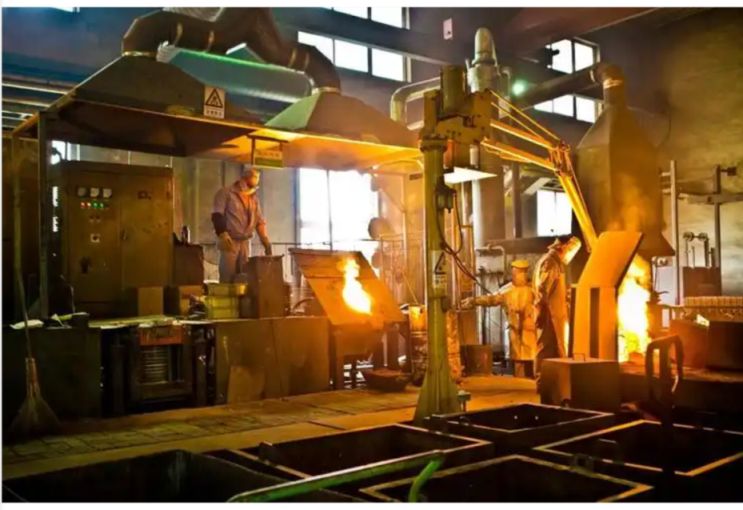
Giga-Casting (Large-Scale Die Casting): Megacasting integrates dozens of separate body parts into a single, massive aluminum cast component. This process eliminates numerous welding steps, simplifies the assembly line, and significantly lowers overall vehicle weight.
-
Hydroforming: This process uses high-pressure fluid to shape aluminum tubes into complex structural profiles. It provides excellent dimensional accuracy for frame rails and instrument panel supports without adding extra weight.
-
Advanced Joining Technologies: Because conventional welding can weaken aluminum, manufacturers rely on Self-Piercing Riveting (SPR), Friction Stir Welding (FSW), and structural adhesives to join aluminum-to-aluminum and aluminum-to-steel components.
4. Market Drivers and Future Outlook
The adoption of automotive aluminum continues to accelerate, driven by distinct industry shifts:
-
The EV Range Imperative: For every 100 kg saved through aluminum lightweighting, an electric vehicle gains approximately 6% to 8% in driving range, directly reducing consumer range anxiety.
-
Circular Economy Goals: Automotive aluminum is highly circular, with up to 95% of the material recoverable at the end of a vehicle's life cycle. Utilizing recycled aluminum requires 95% less energy than primary production, helping automakers meet strict corporate sustainability targets.