
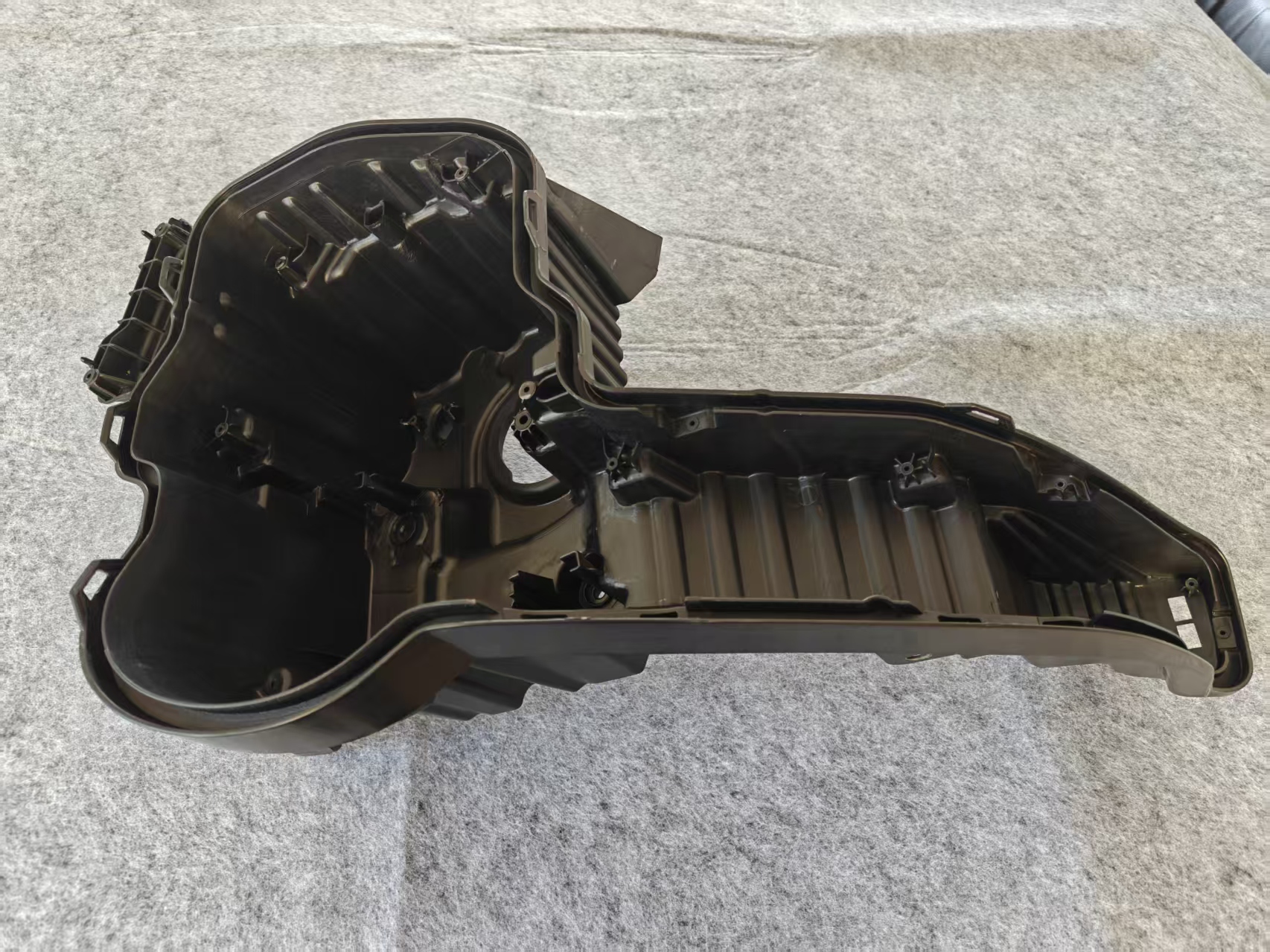
Injection molding Housing
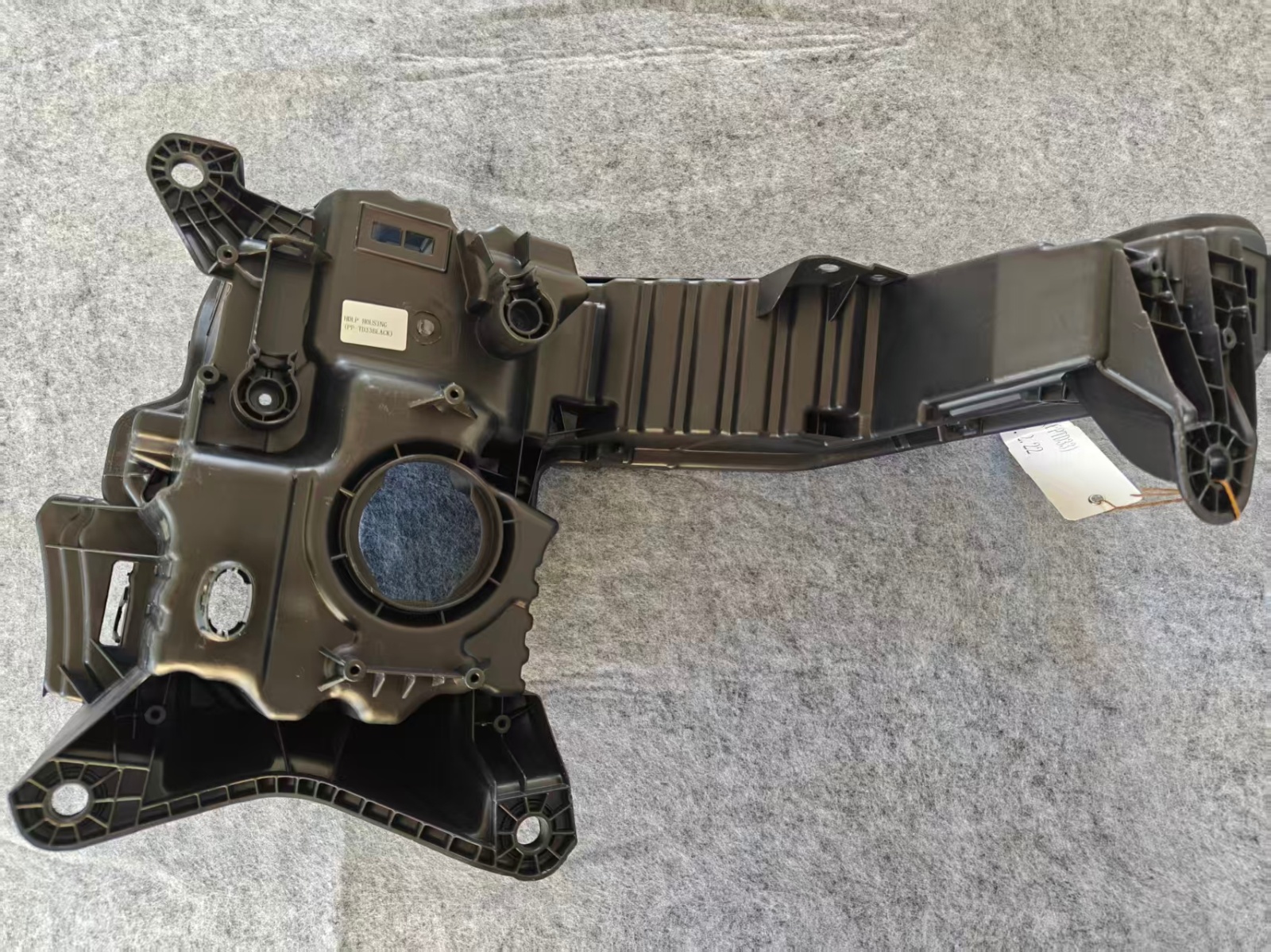
Prototype injection tools for light housings are specialized, low-volume molds typically made from steel or aluminum that rapidly produce functional prototypes in days rather than weeks. They enable design validation for lighting parts using materials like polycarbonate or ABS, allowing for faster design iterations, testing (optical performance, fit), and accelerated time-to-market before investing in high-cost steel production tooling.
Key Characteristics & Benefits
Rapid Turnaround: Produced in 6 weeks, speeding up the design-to-production cycle.
Material Selection: Prototyping in functional, engineering-grade resins such as polycarbonate (PC) durable, PPGF, PPTF heat-resistant light housings.
Design Validation: Ideal for assessing form, fit, and functional performance, ensuring design flaws are caught early,
Lower Initial Cost: Significantly lower upfront cost compared to mass production tooling.
Limited Lifetime: Designed for shorter runs (often 2,000+ shots), as soft tools wear faster.
Process for Light Housings
Design & Optimization: CAD models are reviewed for moldability, such as ensuring proper draft angles for complex light housing structures.
Tool Machining: Steel blocks are CNC machined to create the core and cavity.
Prototyping: Molten plastic is injected into the steel tool, allowing for iterative testing.
-
Surface Finish: Surfaces can be polished for optical clarity to meet the needs of automotive or functional lighting prototypes.
These tools are crucial for early-stage testing in automotive and defense lighting applications.