
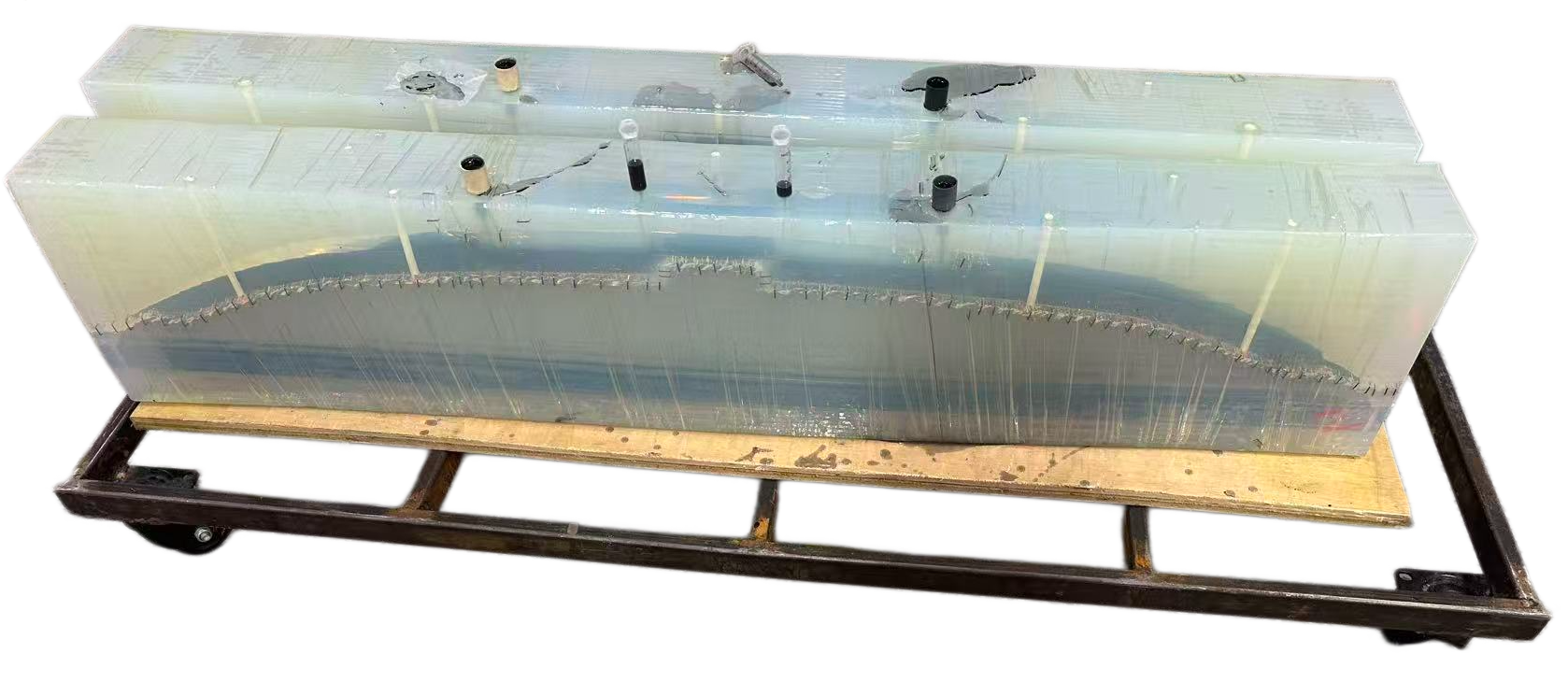
Urethane cast mould
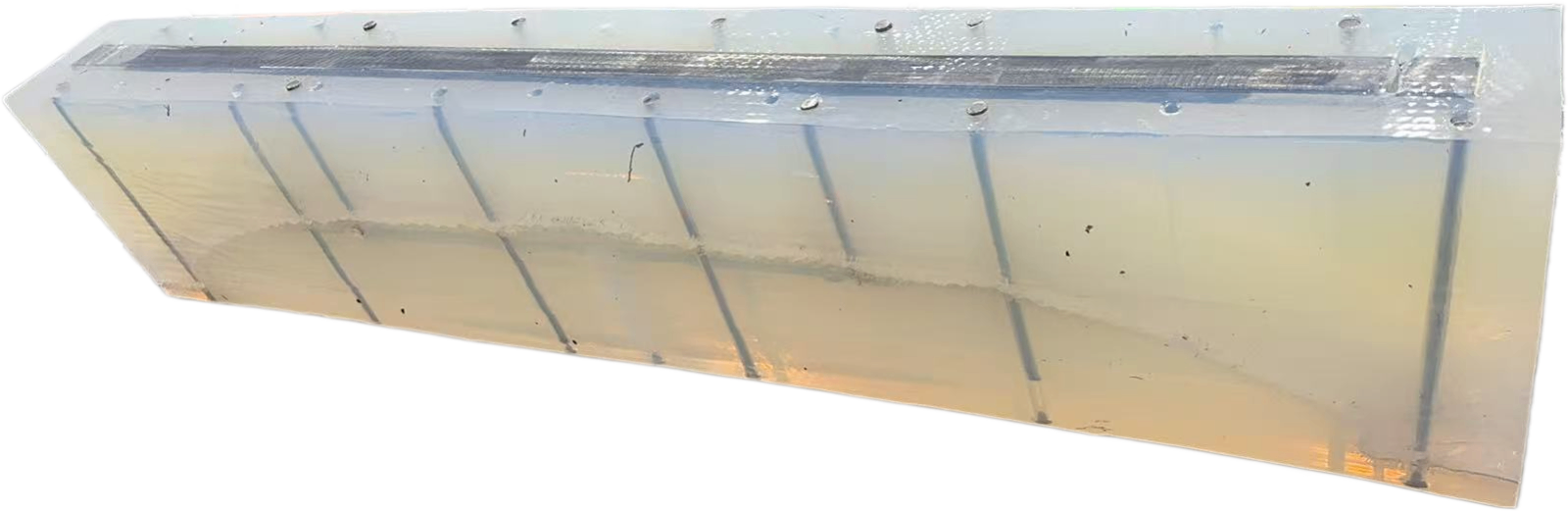
Urethane casting is a versatile, lowe volume manufacturing process using, typically, temporary, flexible silicon molds to cast liquid thermoset polyurethane materials.This method mimics injection molding without expensive metal tooling, producing high-quality, durable prototypes or functional parts, usually in 5~7 days.
Master Pattern: A master part is created via 3D printing (SLA) or CNC machining.
Mold Making: The pattern is suspended in a box, and liquid silicone is poured around it, curing into a flexible, reusable mold.
Casting: Two-part liquid polyurethane is mixed, often under vacuum to remove bubbles, and poured into the silicone mold.
Curing & Finishing: The mold is cured (often in a pressure pot) for 30–40 minutes to hours. The part is then removed, and the mold can be reused ~50 times.
Key Characteristics and Advantages
Fast Turnaround: Suitable for "bridge production" when hard tooling is not yet ready.
Material Variety: Options range from rigid (similar to ABS or PC/ABS) to flexible (elastomeric urethanes).
High Detail: Ideal for complex, high-quality prototypes, consumer goods, and industrial parts.
Cost-Effective: Lower upfront tool costs compared to injection molding.
Temporary Molds: Silicone molds have a limited lifespan (approx. 20–50 casts).
Lower Volume: Unsuitable for high-volume, massive manufacturing.
Temperature Sensitivity: Polyurethane parts have high thermal expansion.