
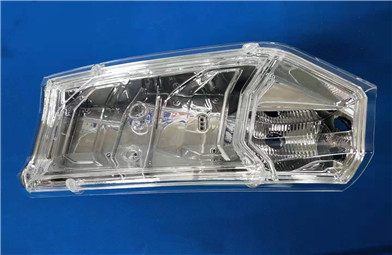
CNC parts with Metalization
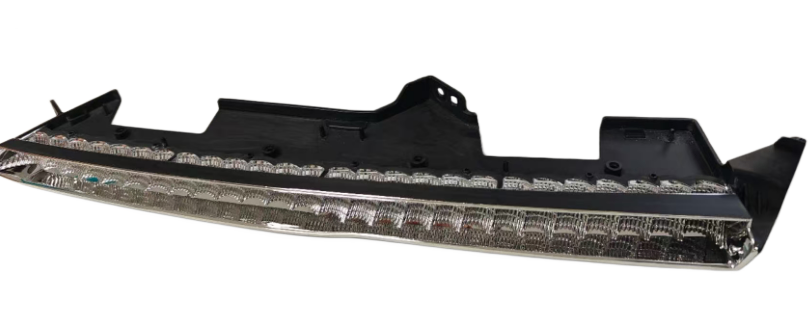
Surface metallization for CNC-machined lamp reflectors, such as aluminum, plastic, or brass prototypes, involves applying a thin, highly reflective metal layer—usually aluminum via PVD (Physical Vapor Deposition)—to achieve a mirror-like finish. This vacuum process optimizes optical performance for prototypes by enhancing reflectivity over 85%, often following precise diamond turning or polishing to achieve an surface roughness.
Key Aspects of Reflector Metallization
Vacuum Metallization (PVD): This process involves heating coating material (often aluminum) in a vacuum chamber until it vaporizes and condenses as a thin film on the CNC-machined part, providing a superior specular, mirror-like, or matte finish.
Common Substrates: While CNC aluminum (7075-T6 or 6061-T6) is common for high-heat applications, PVD is frequently used to coat plastic prototypes (ABS or polycarbonate) to reduce weight and cost.
Surface Preparation: To ensure maximum reflectivity, the CNC prototype must be polished (often to a mirror finish) prior to coating to eliminate machining marks that could scatter light.
Optical Performance: The metallized layer provides high reflectivity, essential for automotive reflectors, spotlights, and lighting fixtures.
Protection: Often, a protective clear lacquer coating is applied after metallization to prevent oxidation of the aluminum layer, ensuring durability.
This finishing process transforms a functional CNC-machined base into a precise optical tool