
CNC-PC
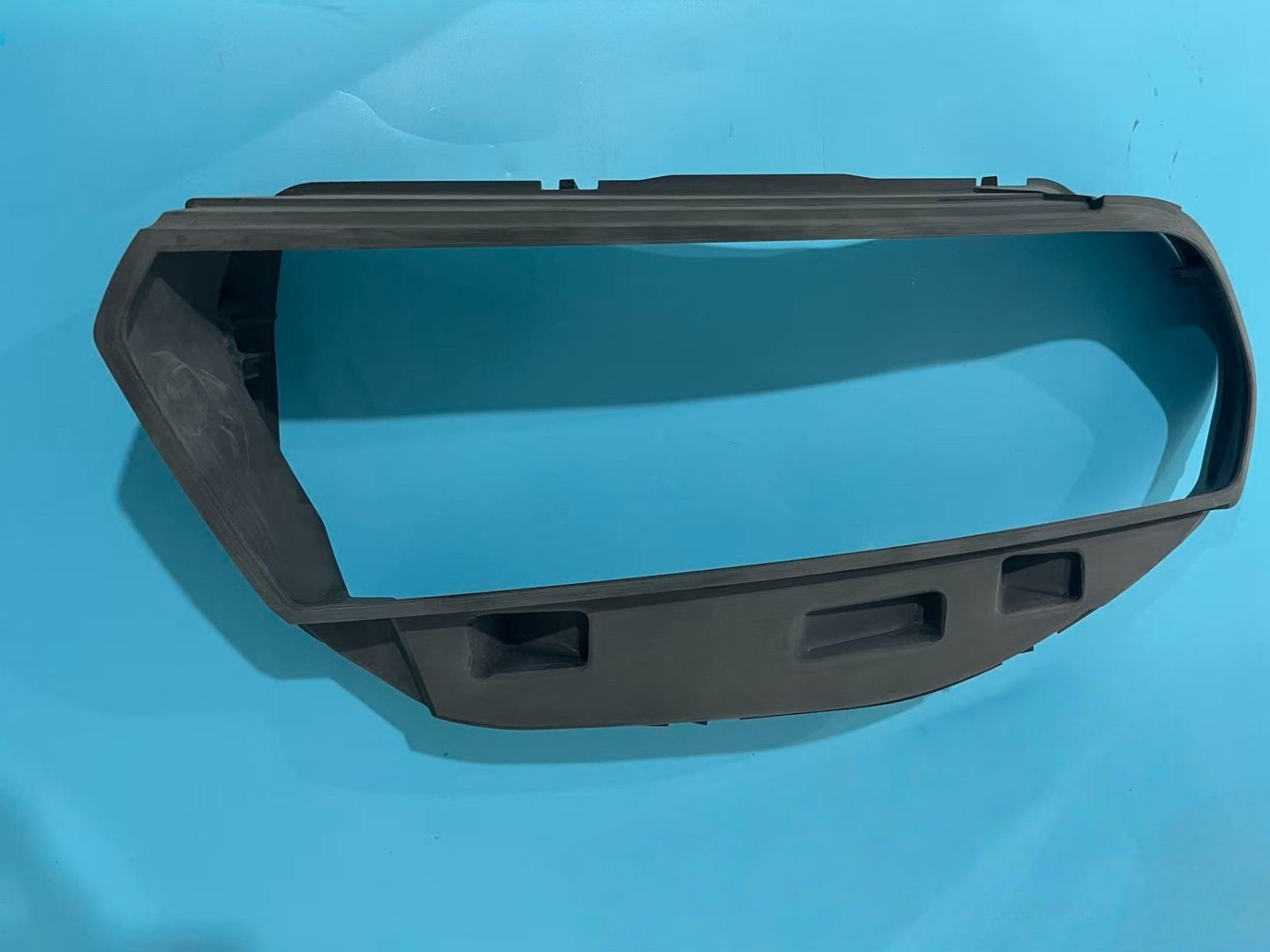
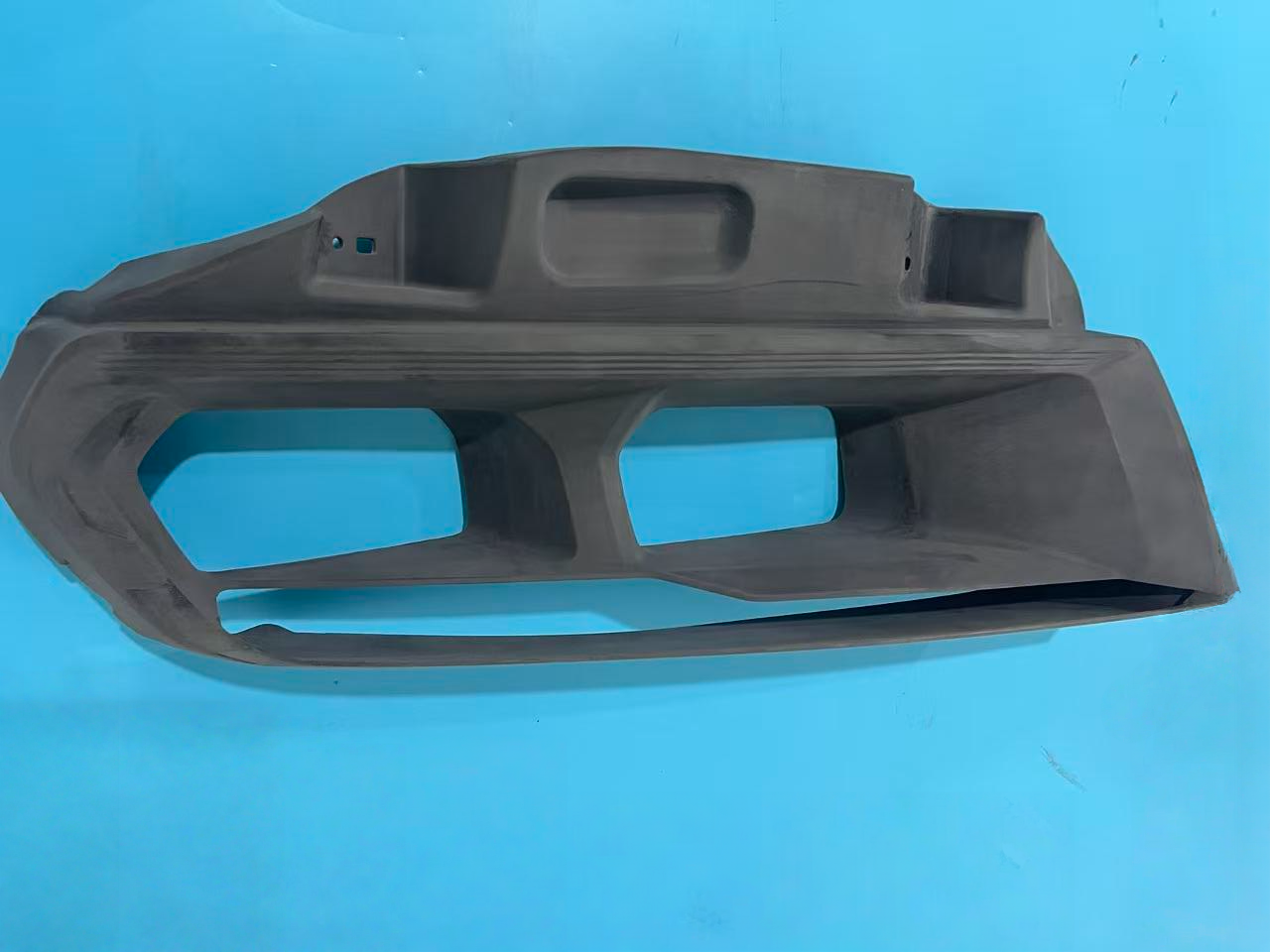
CNC prototype parts machined from black Polycarbonate (PC) billet offer a high-strength, durable, and visually appealing solution for functional testing and low-volume production. Utilizing CNC milling or turning on solid black PC stock allows for the creation of intricate, rigid parts without the need for expensive injection molding tools.
Material Characteristics: Black Polycarbonate (PC)
High Impact Resistance: PC is known for its exceptional toughness and ability to withstand high stress, making it suitable for functional prototypes.
Dimensional Stability: It maintains its shape well, crucial for precision engineering components.
Heat Resistance: Offers good thermal stability compared to many other plastics.
Aesthetics: The pre-colored black material ensures a uniform, solid black appearance that is ideal for stealth, premium, or finished-product aesthetics without secondary painting.
Machinability: PC billets can be precisely machined using standard CNC tools, producing smooth finishes
CNC Prototype Capabilities
Precision: CNC milling and turning can achieve tight tolerances, typically +/- 0.005 inches or better, ensuring functional fit, especially in mating parts.
Complex Geometries: Multi-axis (3, 4, & 5-axis) machining allows for complex shapes, internal features, and high detail.
Rapid Turnaround: Prototype parts can be produced in as fast as 1 day, allowing for quick design iterations.
Prototyping & Small Batches: This process is ideal for creating 1–1000+ parts without the long lead times of casting or injection molding.
Common Applications
Consumer Electronics: Enclosures and housings requiring toughness and a black finish.
Automotive: Interior components, bracketry, and functional test parts.
Industrial Components: Protective covers, handles, and machinery components.
As-machined: Smooth finish directly from the CNC machine.
Bead Blasted: Matte finish to remove machining marks.
Polished: For a smoother, glossier surface.
By using black PC billets, engineers can produce prototypes that mimic the look and feel of production-grade, injection-molded, or dyed plastics, ensuring that functional and aesthetic tests are accurate.