
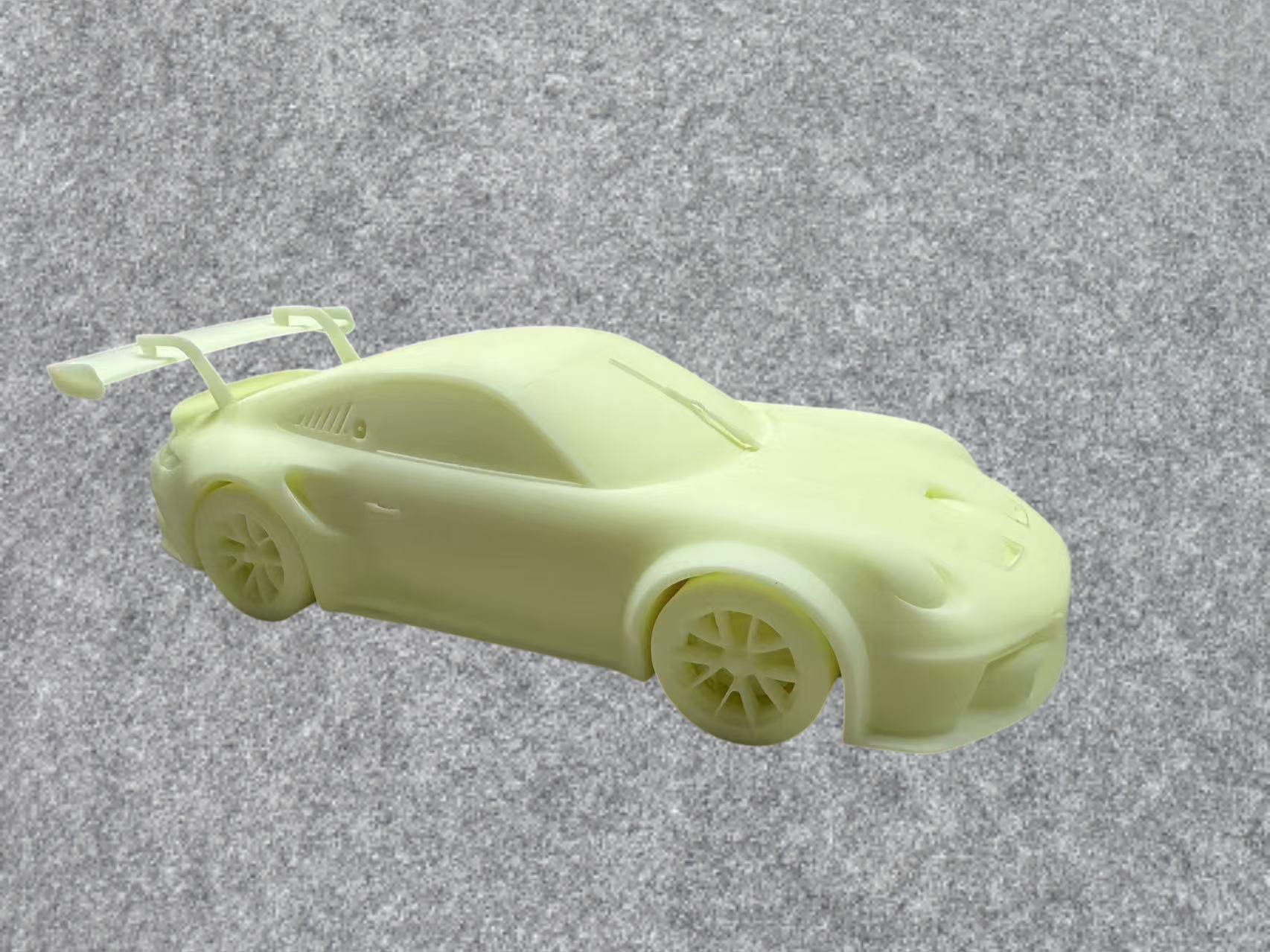
SLA resin parts
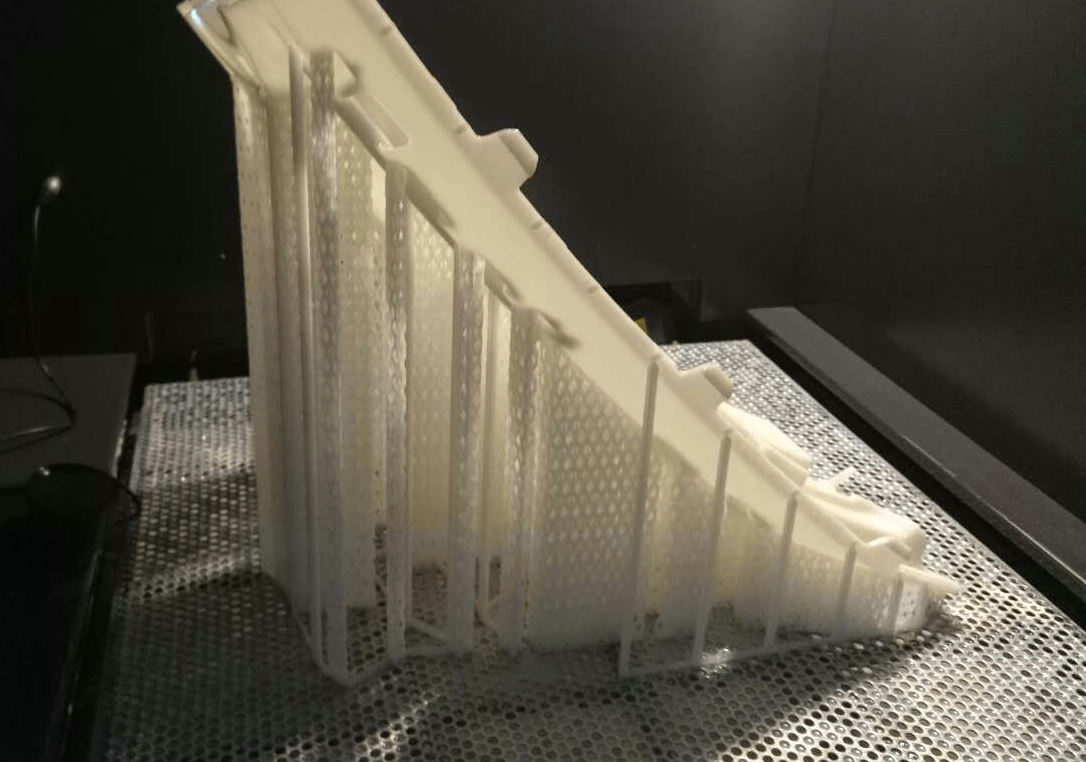
3D printing resin parts are high-precision, smooth-surfaced thermoset plastics produced via photopolymerization (SLA, DLP or LCD), where UV lights cures liquied resin layer-by layer
Known for exceptional detail and accuracy, these parts are ideal for prototypes, medical models, jewelry casting, and functional components requiring high stiffness or specific chemical resistance.
Key Characteristics and Properties
Surface Finish: Smooth, injection-molded quality, requiring minimal finishing.
Resolution: Capable of printing intricate details, down to 35m.
Material Variety: Available in rigid, flexible, heat-resistant, and castable formulations.
Post-processing: Requires washing (often in isopropyl alcohol) and UV curing to achieve final properties.
Common Resin Types and Applications
Standard Resin: Best for prototyping, rapid visualization, and detailed figurines; generally brittle.
Tough/ABS-like Resin: High impact resistance and durability, suitable for functional prototypes and functional assemblies.
Engineering Resin: Engineered for specific properties like high-temperature resistance, high tensile strength, or flexible/rubbery characteristics.
Castable/Dental Resin: Burns out cleanly for jewelry/dental casting or is biocompatible for medical devices.
Ceramic-filled Rigid Resin: Extremely stiff with high heat resistance, ideal for tools, jigs, and fixtures.
Advantages and Limitations
Pros: High precision, fast printing of complex shapes, excellent surface finish.
Cons: Often brittle, UV sensitive over time, and requires a post-processing workflow (cleaning and curing)