
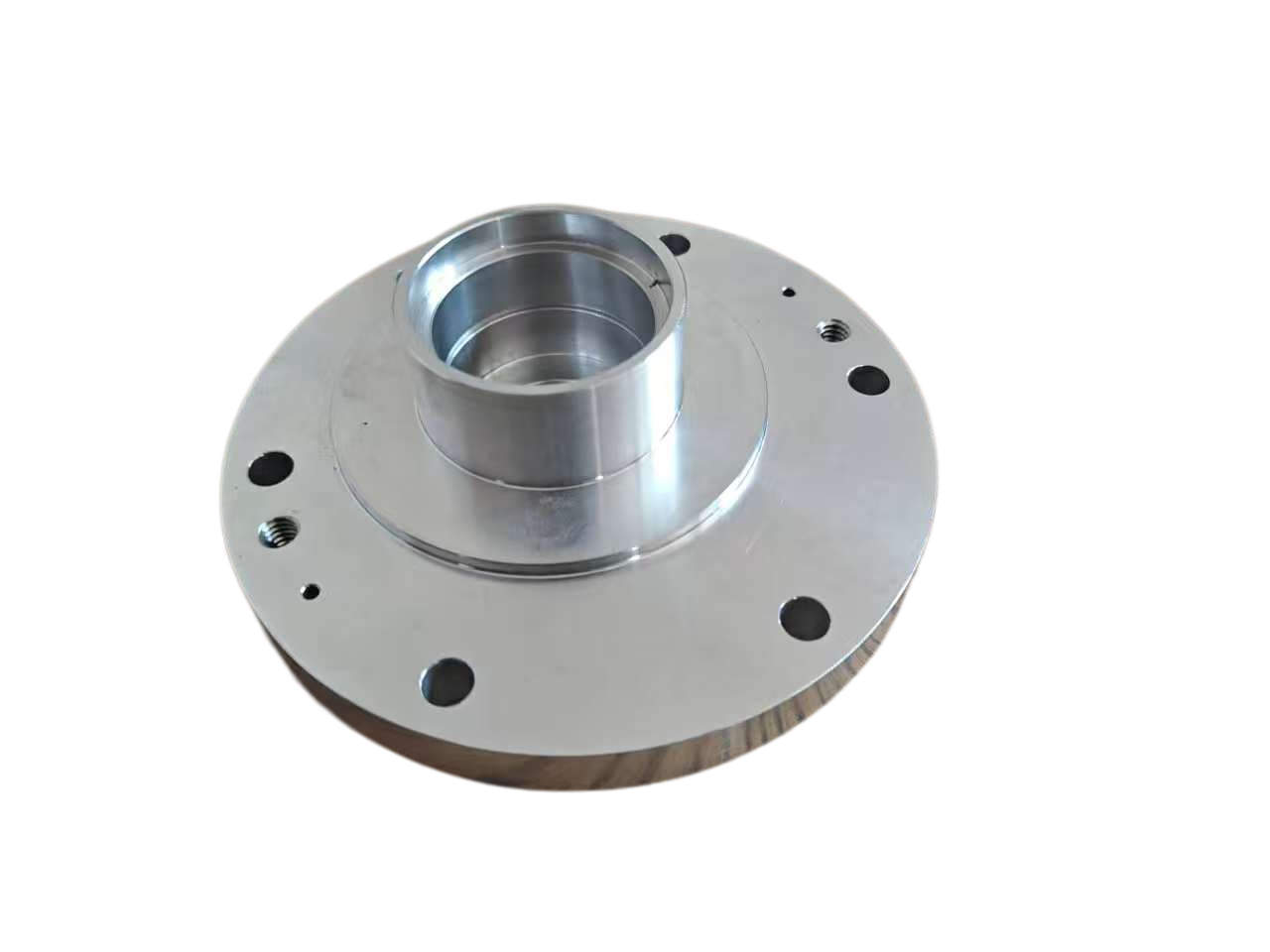
Power Primer End Plate
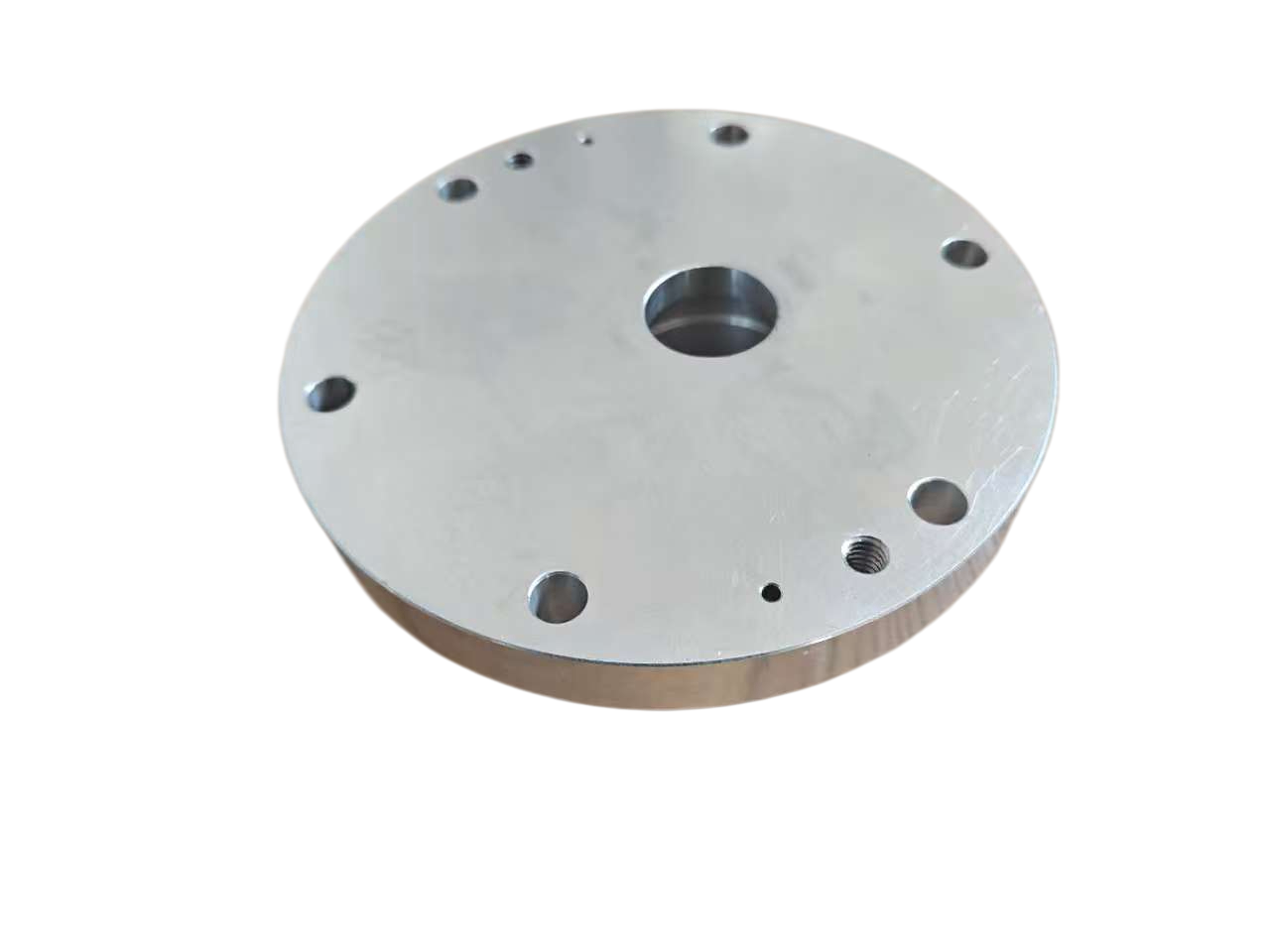
CNC machining for aluminum casting is a secondary, precision process that transforms raw, nea-net-shape castings into high-precision, production-ready components, Using CNC milling and turning, it removes excess material (gates, risers) to achieve tight tolerances, intricate features, and superior surface finishes essential for automotive and electronic applications.
Key Aspects of CNC Machining for Aluminum Castings
Process Overview: Aluminum castings are typically made via sand or die casting, which creates a near-net shape. CNC machining then precisely cuts, drills, and surfaces the component to meet final, exacting specifications.
Precision and Accuracy: While casting is cost-effective for complex shapes in bulk, CNC machining provides the necessary precision that casting alone cannot achieve, such as extremely close tolerances and smooth surfaces.
Common Machining Operations:
Milling: Creates complex features, slots, and holes by rotating a cutting tool against the casting
Turning: Rotates the cylindrical workpiece to create smooth, accurate surface finishes (ideal for housings or shafts)
Drilling and Tapping: Creating precise holes and internal threads
Advantages for Castings:
Improved Quality: Achieves high, consistent quality and dimensional accuracy.
High Efficiency: Aluminum’s high machinability allows for fast cutting speeds, reducing production cycles.
Versatility: Suitable for finishing complex castings for industries like automotive, aerospace, and electronics.
Post-Machining: Finished parts often undergo further processing such as heat treatment, cleaning, or coatings (like anodizing) to increase strength and corrosion resistance