
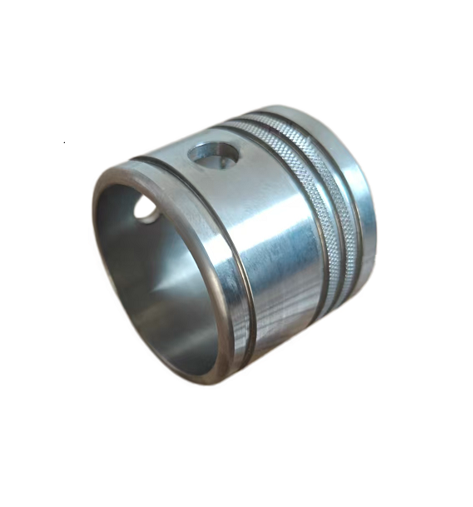
Bearing Bush
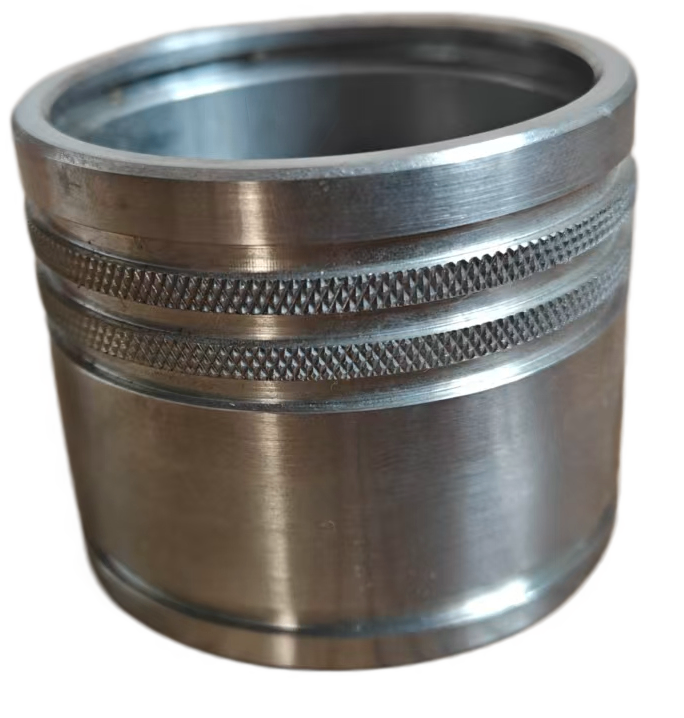
CNC machining for stainless steel is a precise, computer-automated manufacturing process using milling and tunning to shape durable, corrosion-resistant steel alloys.
It typically involves specialized tooling (carbide/HSS) to handle high-strength, tough materials, requiring high-pressure coolant to manage heat, reduce work hardening, and prevent stringy chips, delivering high-precision components.
Key Aspects of Stainless Steel CNC Machining:
Common Alloys: Frequently machined grades include 303 (easy machining), 304 (versatile, good corrosion resistance), 316 (high corrosion resistance), and 17-4 PH (high strength).
Processes: Involves CNC milling (rotating tools), turning (rotating parts), drilling, and tapping to produce complex, high-strength parts.
Challenges: Stainless steel is prone to work hardening (becoming harder as it is cut) and produces long, stringy chips that can damage parts.
Techniques: High-pressure coolant is essential to break chips and cool the tool. Rigid fixtures are required to minimize vibration, as stainless steel can cause significant tool binding.
Tooling: Cemented carbide or high-speed steel (HSS) tools with specialized coatings are used to improve wear resistance.
Applications: Used across industries like medical devices, aerospace, food & beverage, and robotics.
Common Post-Processing:
As Machined: Standard finish.
Bead Blasting: Creates a smooth, matte finish.
Passivation: Improves corrosion resistance by removing surface iron.
Powder Coating: Adds color and extra protection