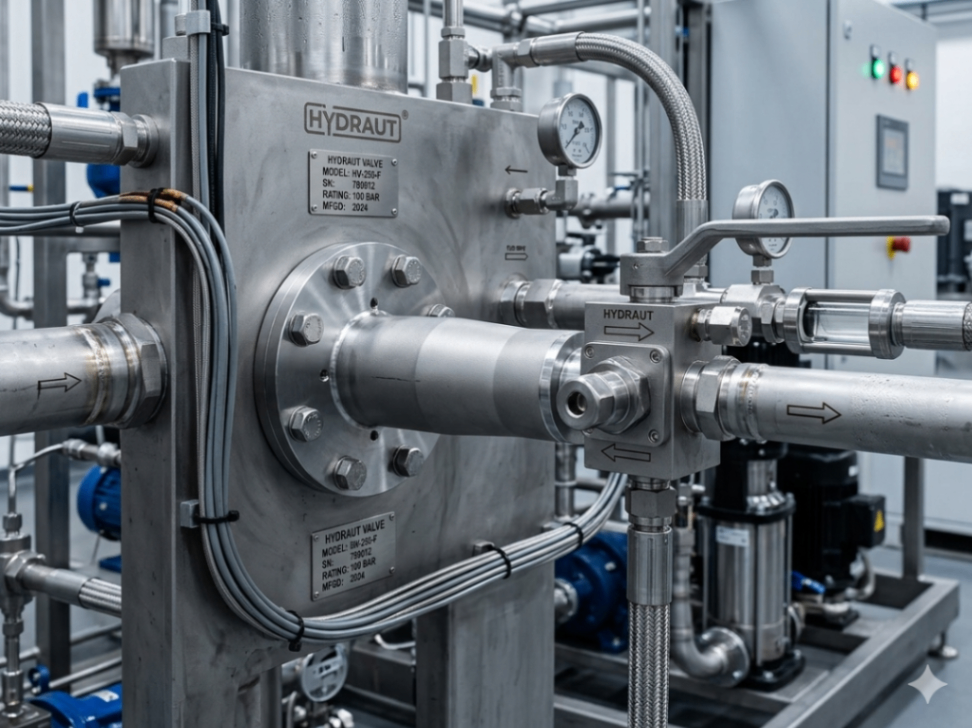
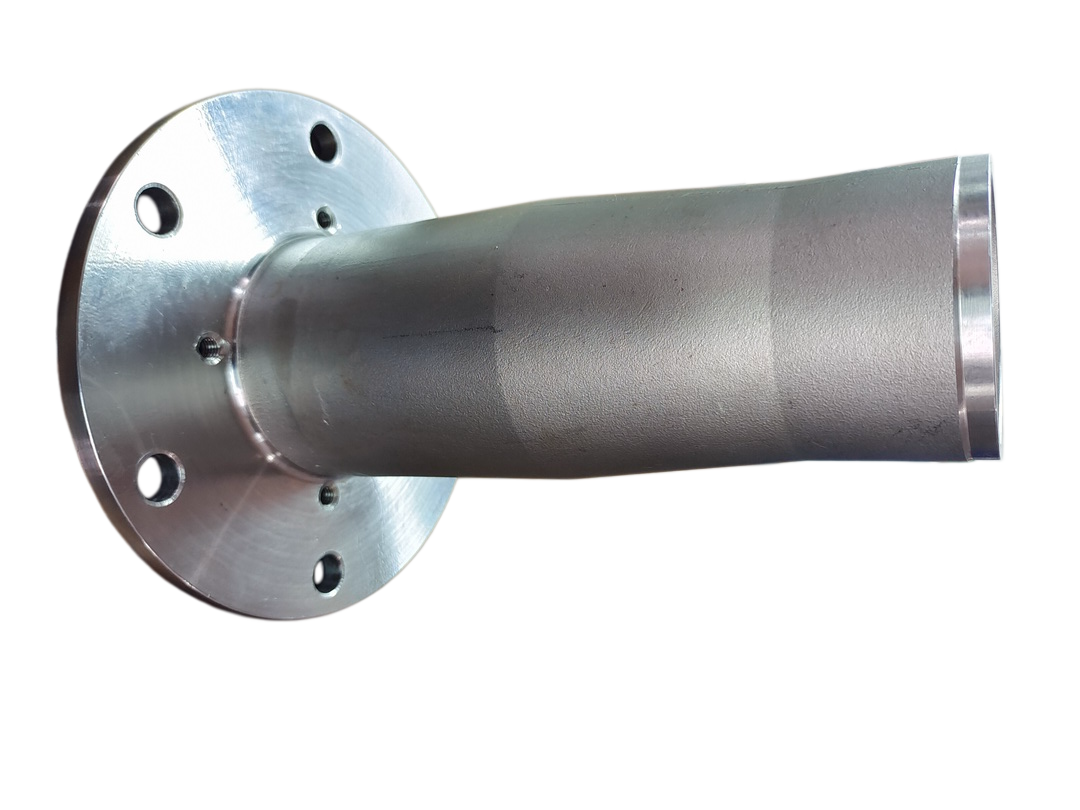
Hydrant Valve Casting
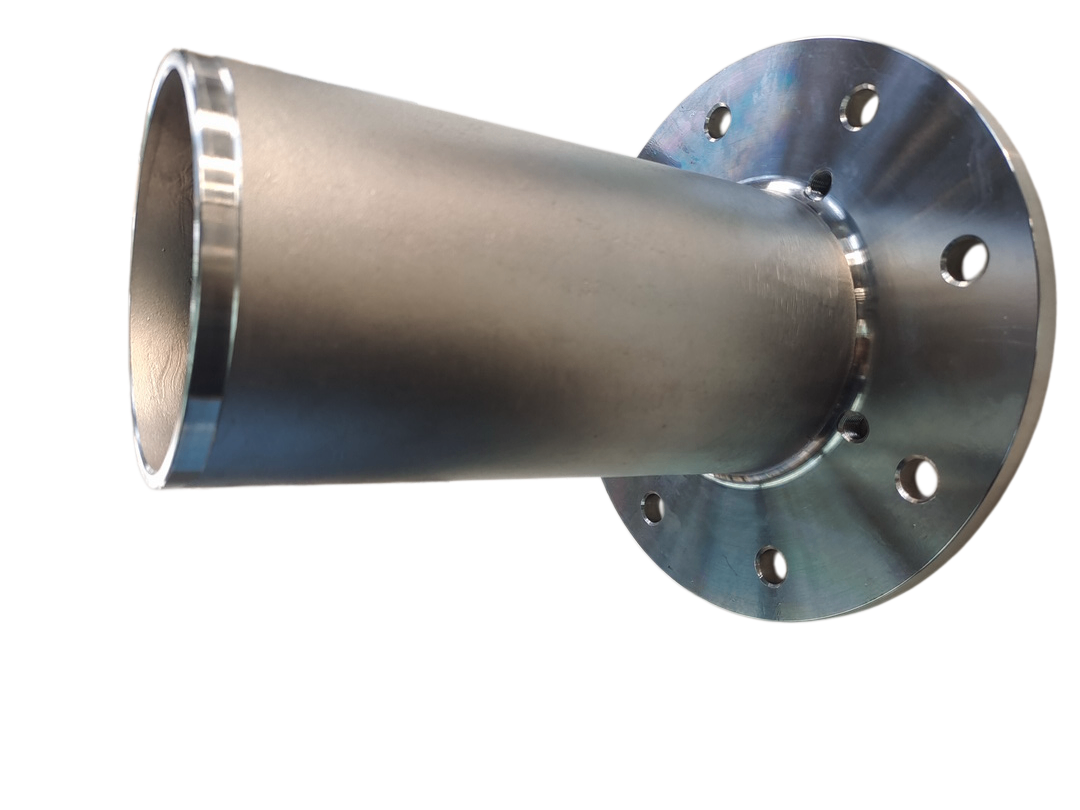
Key Components of a Hydrant Valve :
Valve Body: The main pressure-retaining housing, typically produced through investment casting to achieve high dimensional accuracy and complex shapes.
Main Valve (Resilient Seat): Often made of rubber or similar elastomeric material, this part seals against the valve seat to prevent water flow when the hydrant is closed.
Valve Seat Ring: The rigid ring, typically made of stainless steel, that the main valve sits on. It is threaded into the hydrant base and often features a self-flushing design to clear debris.
Stem (Operating Rod): A high-strength metal shaft that connects the top operating nut to the main valve, allowing for vertical movement to open or close the valve.
Drain Valve/Mechanism: A critical component in dry-barrel hydrants that opens when the main valve is closed, allowing water inside the barrel to drain out to prevent freezing.
Operating Nut: The top, often pentagonal-shaped nut that a firefighter rotates with a wrench to actuate the stem.
Bonnet: The top housing that protects the operating mechanism and seals the top of the barrel.
Nozzle & Nozzle Caps: Outlets where hoses are connected, protected by screwed-on caps that keep debris out.
Typical Materials and Features:
Material: Investment cast stainless steel (SS304, SS304L) for corrosion resistance.
Weight Range: 1 to 10 kg for standard components.
Surface Finish: "As cast" or shot-blasted.
-
Performance: Can be designed to withstand high pressure (e.g., 300+ PSI), with some designs featuring self-flushing drain mechanisms.