Trailer Chassis frame Parts
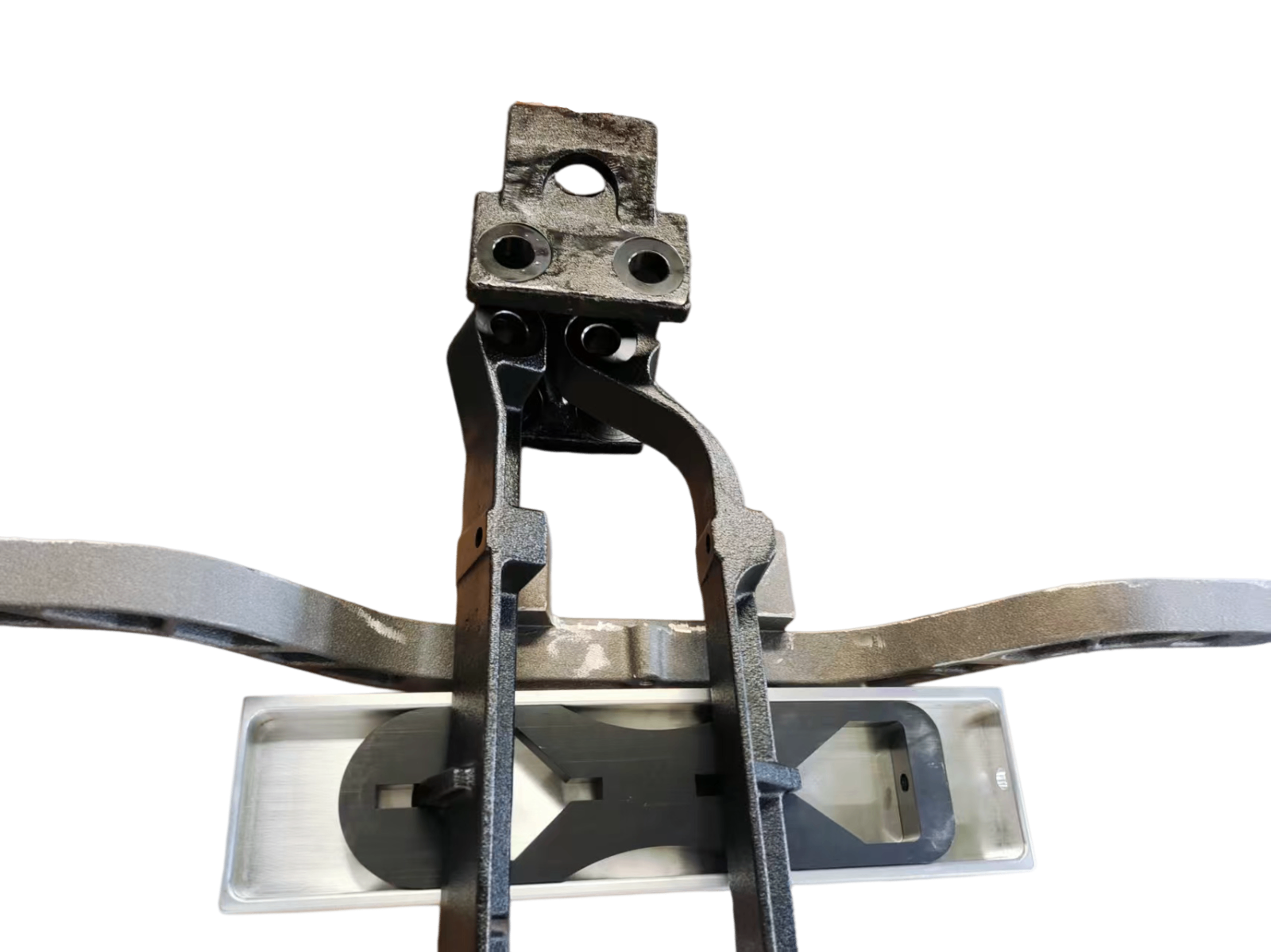
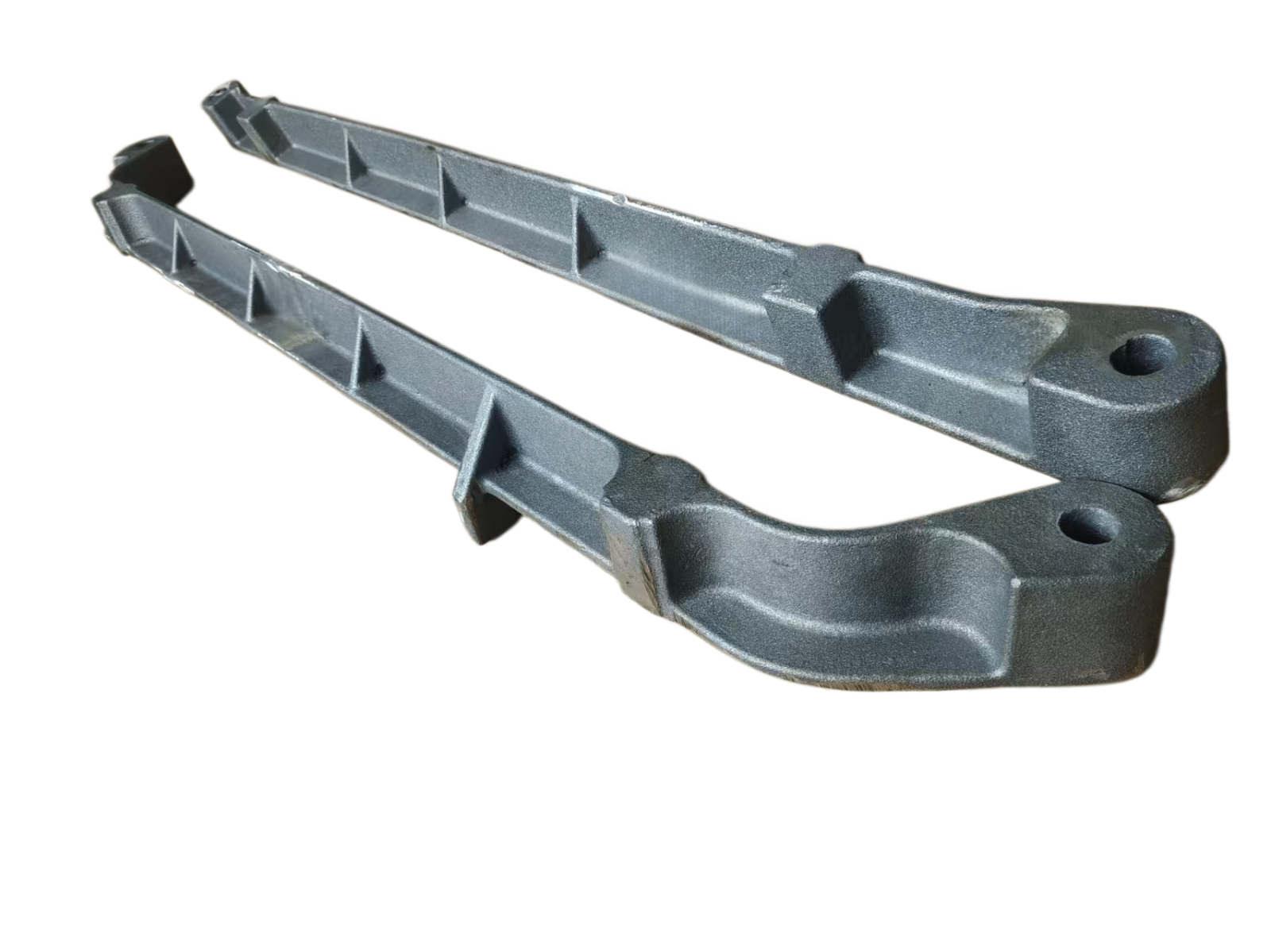
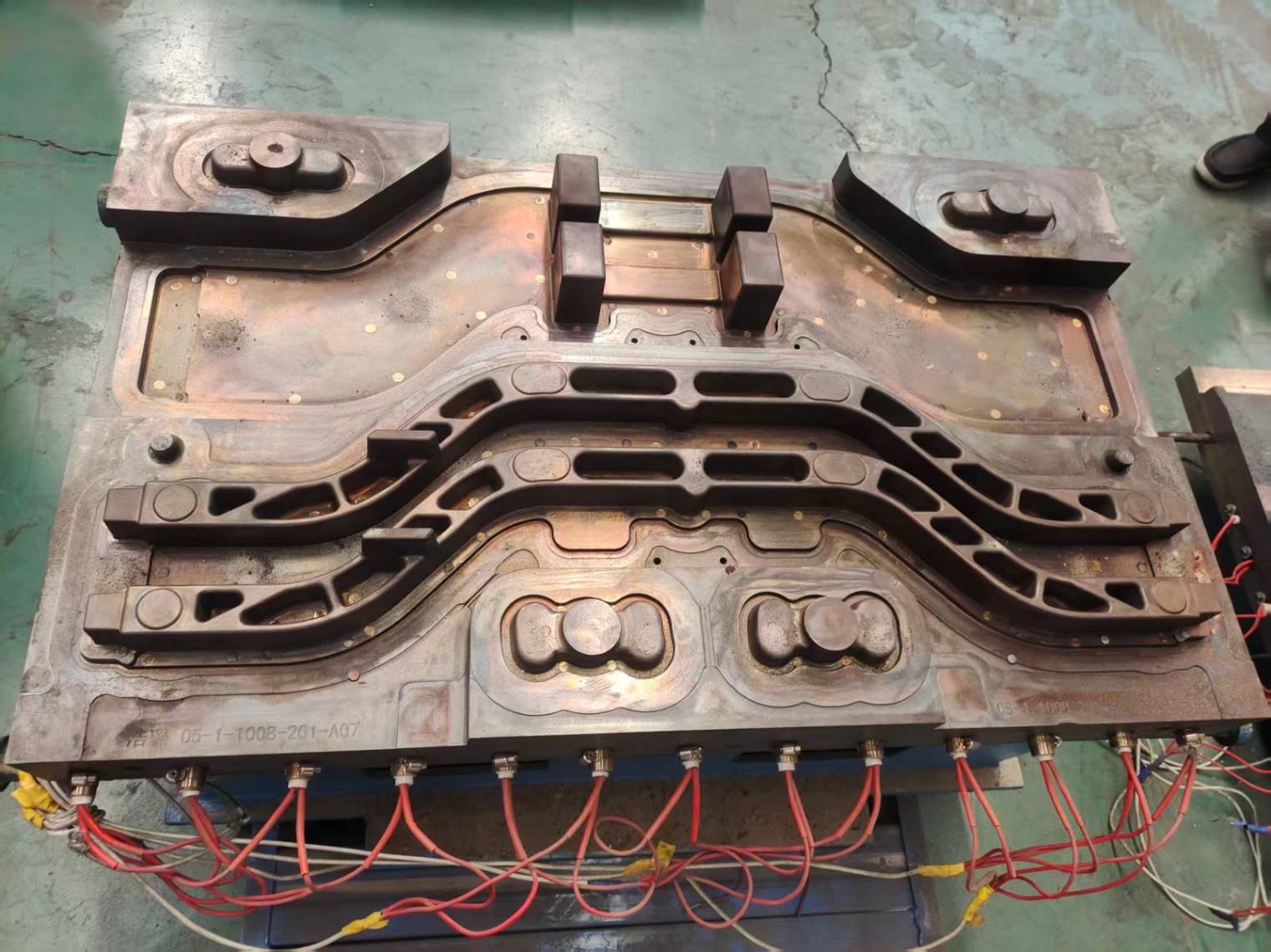
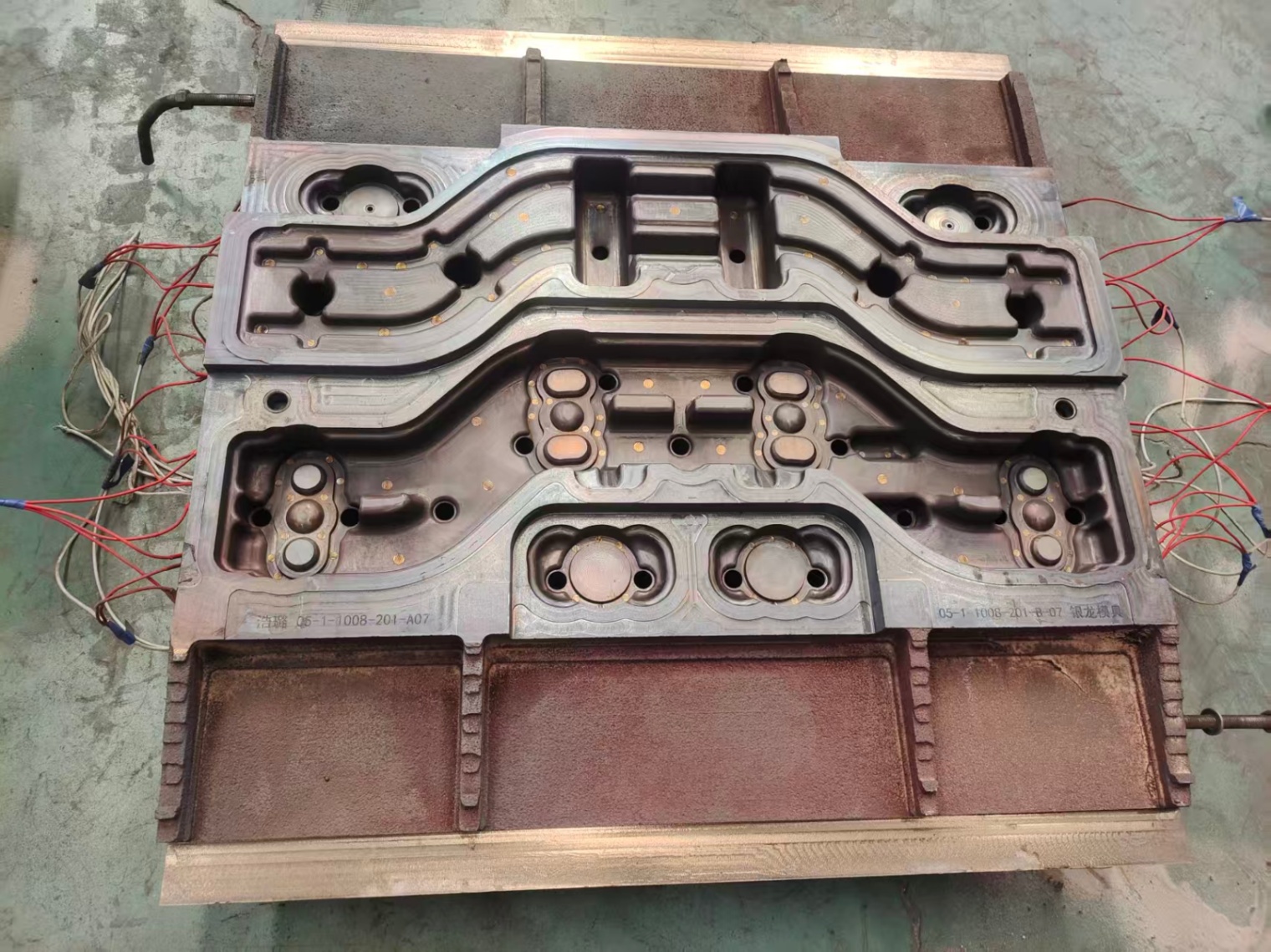
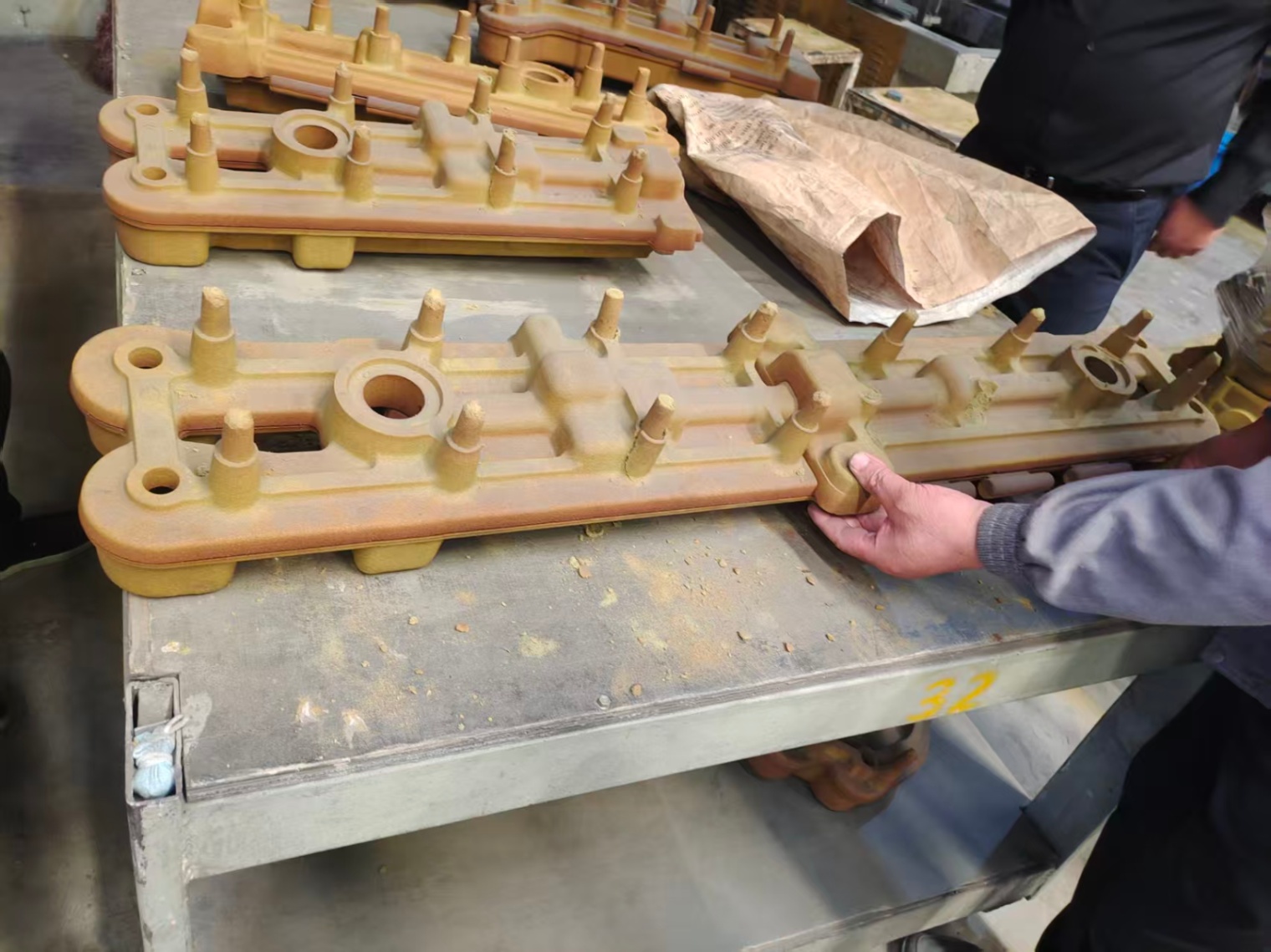
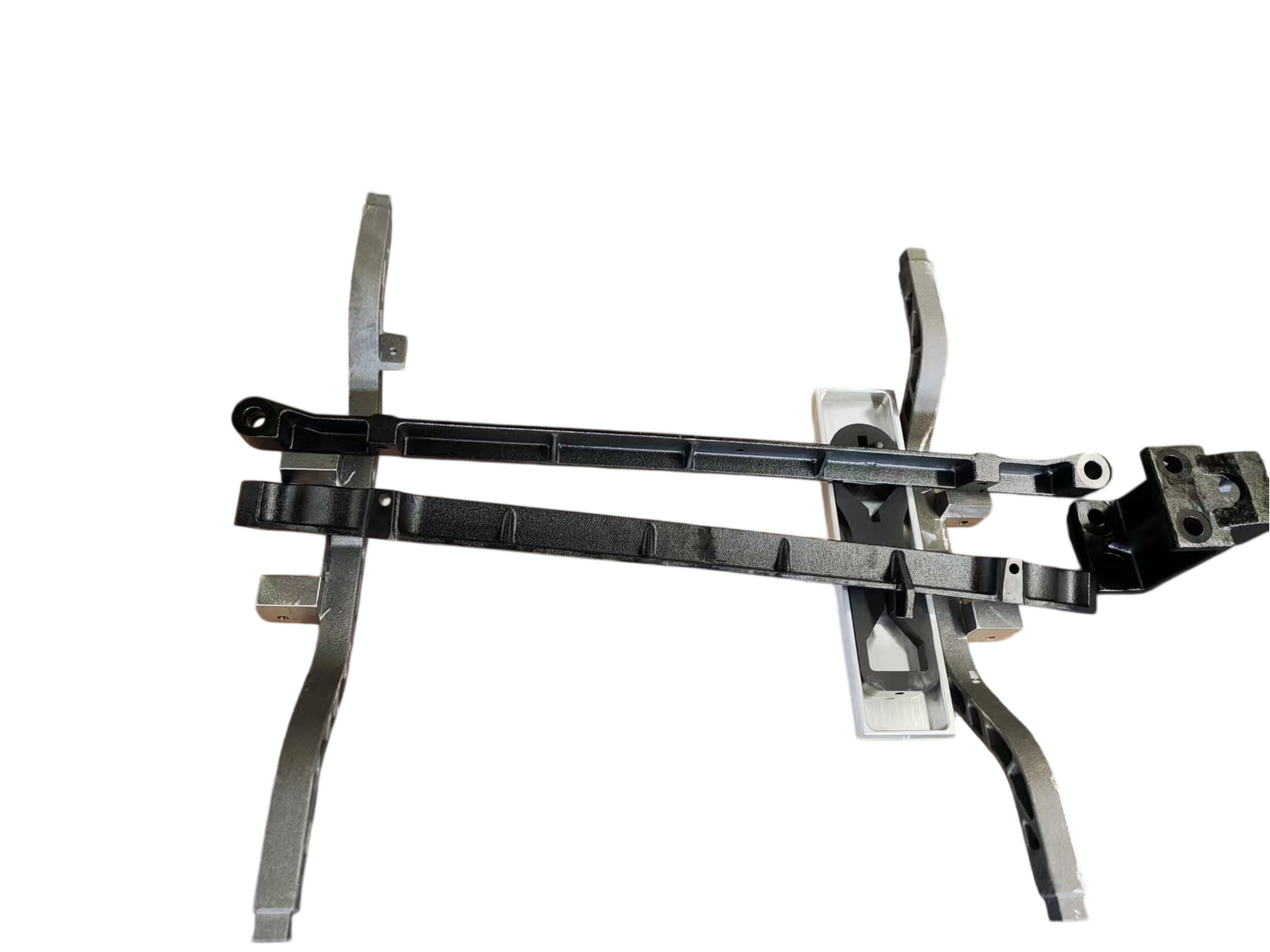
Trailer chassis shell core castings and assembly involve a specialized manufacturing process for producing high-precision, complex, and strong metal components—such as structural brackets, suspension parts, or brake components—using sand-resin mixtures and a "shell" mold method. This process is chosen for its ability to produce accurate, consistent parts with high repeatability.
Shell Core Casting Process
Shell Mold Creation: A two-piece metal pattern is heated (approx. 400°F) and covered in a mixture of fine sand and resin. The heat cures the resin, creating a thin, rigid shell.
Core Manufacturing: To create complex hollow spaces in a casting, a "core" is formed using similar resin-coated sand, which is blown into a core box and cured.
Assembly and Pouring: The cores are placed into the shell mold, and the two shell halves are glued or clamped together, often inserted into a pouring flask. Molten metal is poured into the assembly.
Breakaway/Shakeout: After the metal cools, the fragile sand shell and cores are broken away, leaving the final complex metal part.
Trailer Chassis Components & Assembly
Chassis Structure: The trailer chassis serves as the load-carrying, structural framework.
Key Casted Parts: Components that require high strength and intricate design—such as landing gear components, hitching components (fifth wheel couplings), and heavy-duty suspension brackets—are often produced using this method to ensure durability.
Assembly Definitions:
Cope & Drag: The top and bottom halves of the casting mold.
Core Print: Features on the core that help align it within the mold.
Gating System: The network of channels designed to allow molten metal to flow into the casting, minimizing defects.
Vent: A small pathway created in the mold to allow gases to escape, reducing defects.
Shakeout: The process of removing the core and mold material from the solidified casting.
Shell core casting is ideal for trailer manufacturing due to its efficiency in high-volume production and the ability to reduce machining requirements through precise, complex geometries.
'