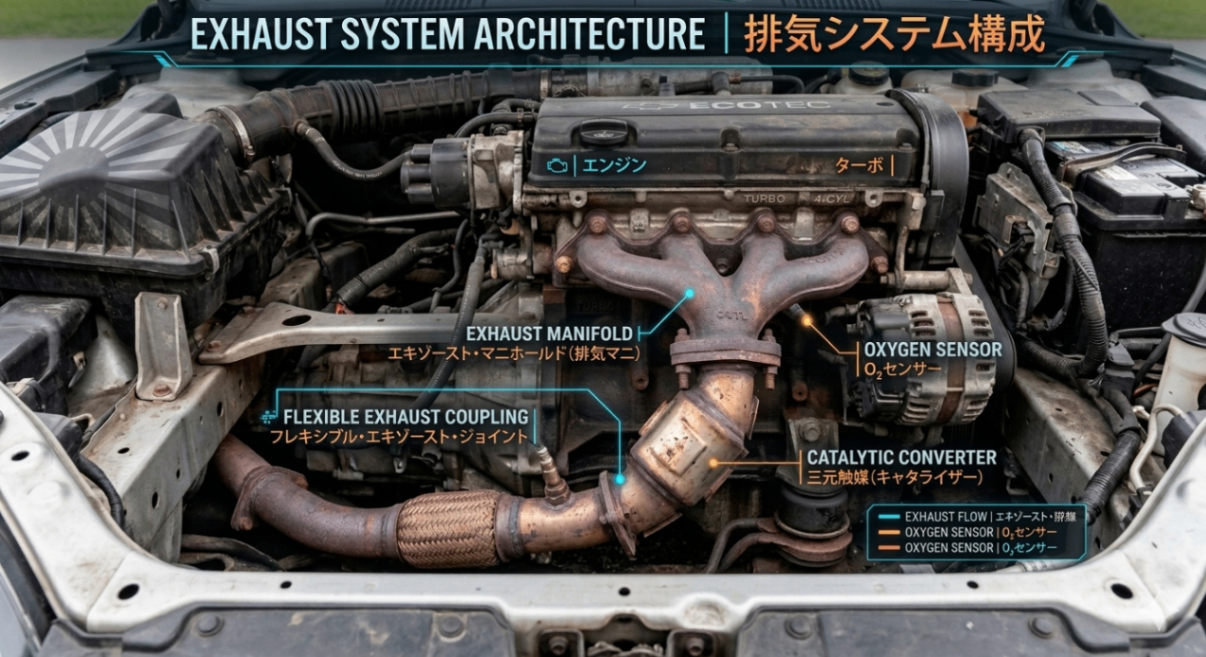
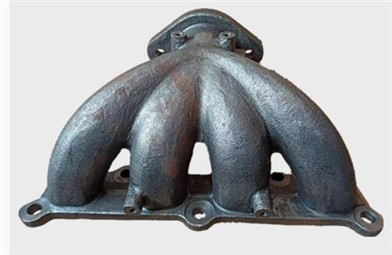
Exhaust manifold
An exhaust manifold is a critical engine component, typically made of cast iron or stainless steel, that collects high-temperature exhaust gases from multiple engine cylinders and directs them into a single pipe. It is bolted directly to the cylinder head, acting as the starting point of the exhaust system.
Key Functions and Characteristics:
Collection & Routing: Gathers exhust from each cylinder and channels it to the catalytic converter or turbocharger.
Thermal Management: Withstands extreme heat cycles, helping to manage engine bay temperatures and directing heat downstream.
Performance Optimization: Reduces engine backpressure, allowing the engine to breathe more effectively.
Structural Role: Often features a, durable, cast iron design for longevity, though some are made from stainless steel.
Common Issues & Features:
V-Type Engines: Usually have two separate exhaust manifolds, one for each bank of cylinders.
Failure Signs: Often prone to cracking or gasket failures due to high heat, leading to exhaust leaks (noisy engine, exhaust smell).
Difference from Headers: While they serve the same function, stock exhaust manifolds are generally less "free-flowing" than aftermarket tubular exhaust headers.
Contact us for more detail related the material spec. etc for the exhaust manifold