
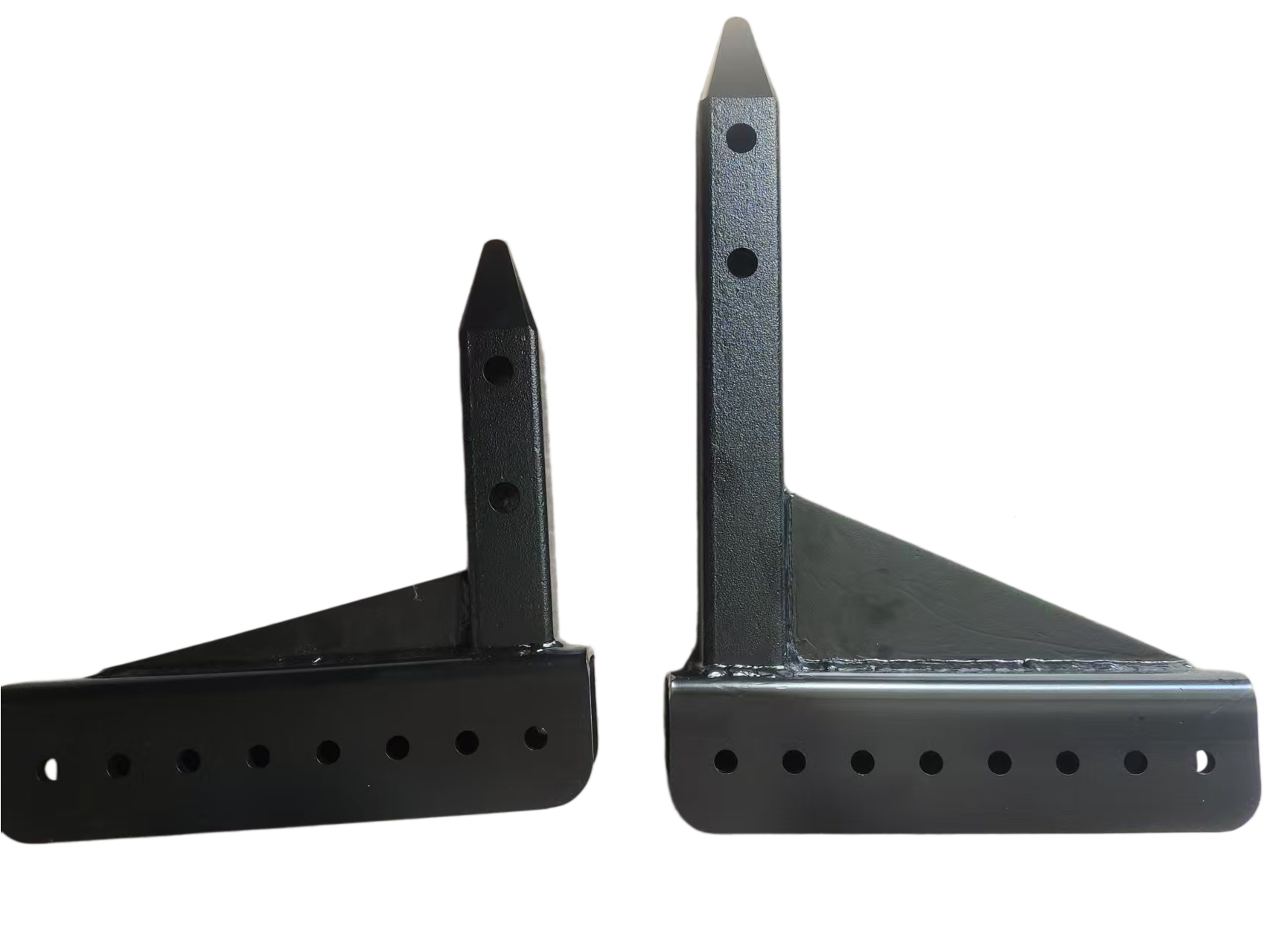
Adjustable Hitch
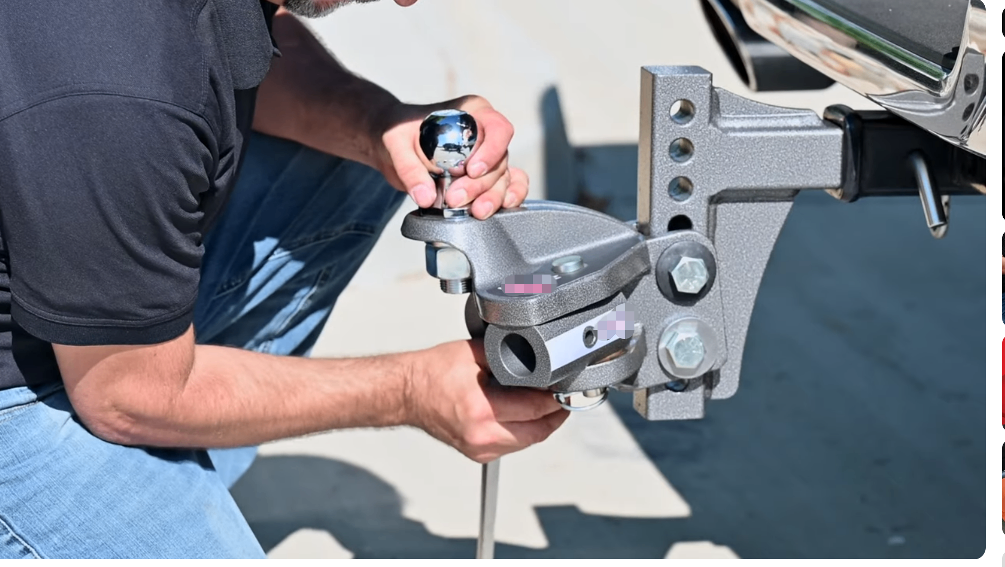
A stamped, bended, welded, and fabricated trailer coupler is a type of coupling device—the front-end component on a trailer tongue that attaches to a towing vehicle's hitch ball—manufactured by forming steel plates through stamping and bending, then welding them into a permanent, structural unit. These couplers are designed for high strength, with welded connections often preferred for permanence, whereas bolted connections are used for flexibility.
Definition and Key Features
Fabrication Process: The coupler body is typically manufactured from sheet metal, which is cut (stamped) and folded (bended) to form the housing, followed by welding components like the latch, safety chains, and the coupler unit itself to the trailer tongue.
Structural Integrity: Often considered more cost-effective and lighter than cast steel counterparts, high-quality stamped steel units with professional welding can offer robust performance.
Welding Application: The coupler is typically welded to the trailer frame for a permanent, secure attachment, especially for heavy-duty trailers. Full-length continuous welds on both sides are recommended for maximum strength.
Latch Types: These couplers often feature a stamped or cast steel housing with various latch mechanisms, including trigger latches, spring-loaded collars, or "Easy Latch" (ez-latch) technologies for quick hookup.
A-Frame Type: Many fabricated couplers are "A-Frame" styled, often used on utility and dump trailers, designed to fit standard ball sizes like 2" or 2-5/16".
Pros and Cons vs. Cast Couplers
Pros: Lower production costs, quicker lead times, and generally lighter weight.
Cons: While strong, they can be less rigid than cast steel alternatives, which are often considered superior for high-impact, high-load environments.
Note: The coupler must be welded to match the width of the tongue, and proper fabrication includes cleaning the metal before welding and painting afterward to prevent corrosion