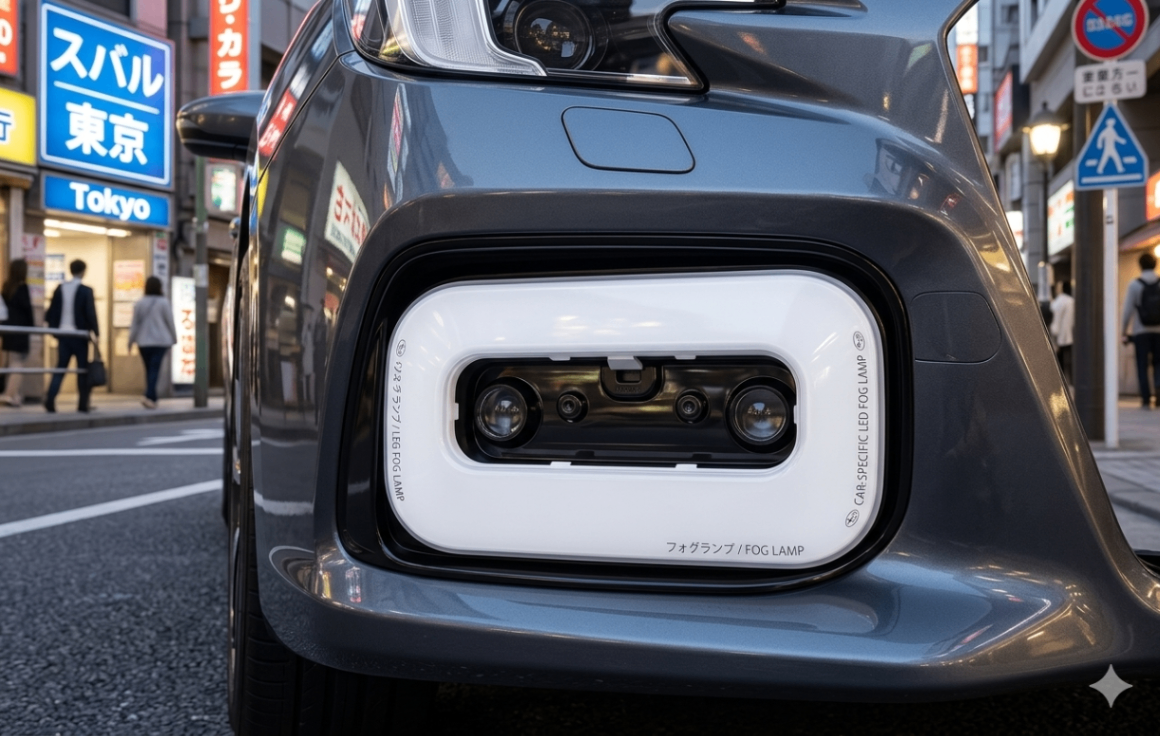
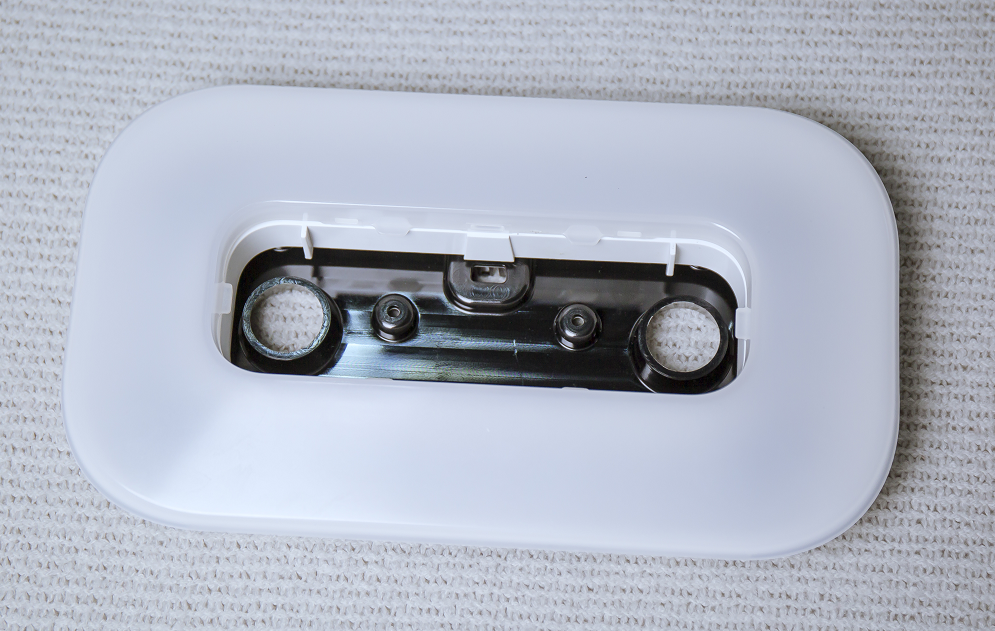
Lamp Assembly
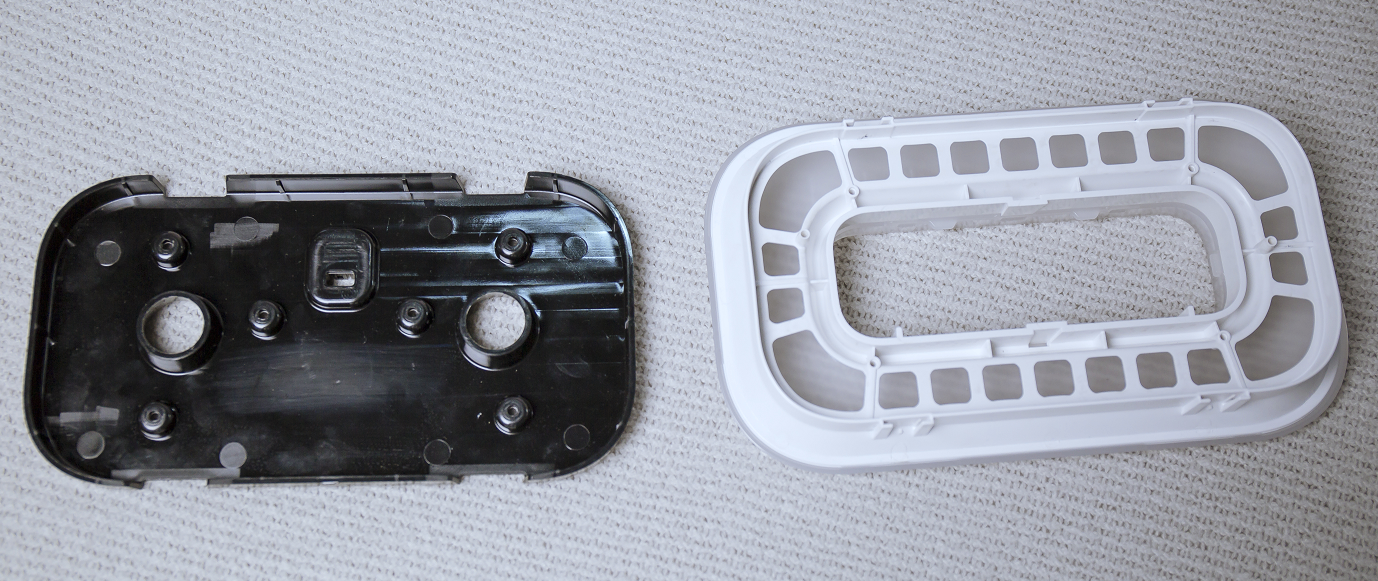
Key Lamp Assembly Parts Description
Lens (Outer Lens/Cover): The transparent front cover, usually made of PMMA (Acrylic) or Polycarbonate (PC) for UV resistance, impact strength, and high light transmission.
Lamp Housing (Body): The main structural component that protects internal parts. Commonly manufactured using PP+TD20 (polypropylene + 20% talcum powder) for rigidity or ABS for high impact resistance.
Reflector: A critical component that directs light, often made of ABS or Aluminum, which requires high-precision surfacing to ensure proper light distribution.
Bezel (Decorative Frame): The internal frame holding the components together, typically plated (metallized) or painted to provide a high-surface quality finish, made of ABS or PMMA.
-
Lightguide: Cylindrical components, often 7-10mm in diameter, machined or molded from PC/PMMA to guide light through total internal reflection.
Prototype Mold Techniques
Aluminum Molds: Used for rapid tooling, allowing for faster machining and modification compared to steel, ideal for functional testing.
3D Printed Molds (Rigid 10K Resin): Enables producing 60–100+ prototype parts in materials like ABS or PP to test form and fit.
Overmolding/2K Molding: Simulates multi-material parts (e.g., rigid housing with soft-touch seals) by casting two different materials in the same mold.
Vacuum Casting (Silicone Molds): Used when the prototype requires specialized optical clarity or complex, multi-color features, acting as a "soft tool" to simulate injection molding.
Prototyping Process Features
Rapid Tooling: Speeds up the design-to-production gap, ideal for proof-of-concept.
Surface Finishing: Prototypes can be polished to mirror finishes, textured, or chrome-plated to match the final production look.
Structural Optimization: Prototype designs often include draft angles, uniform wall thickness, and specialized cooling channels to simulate production-level quality.
Gate Optimization: Careful selection of gate locations (pin-point, edge) is necessary to avoid weld marks on aesthetic surfaces