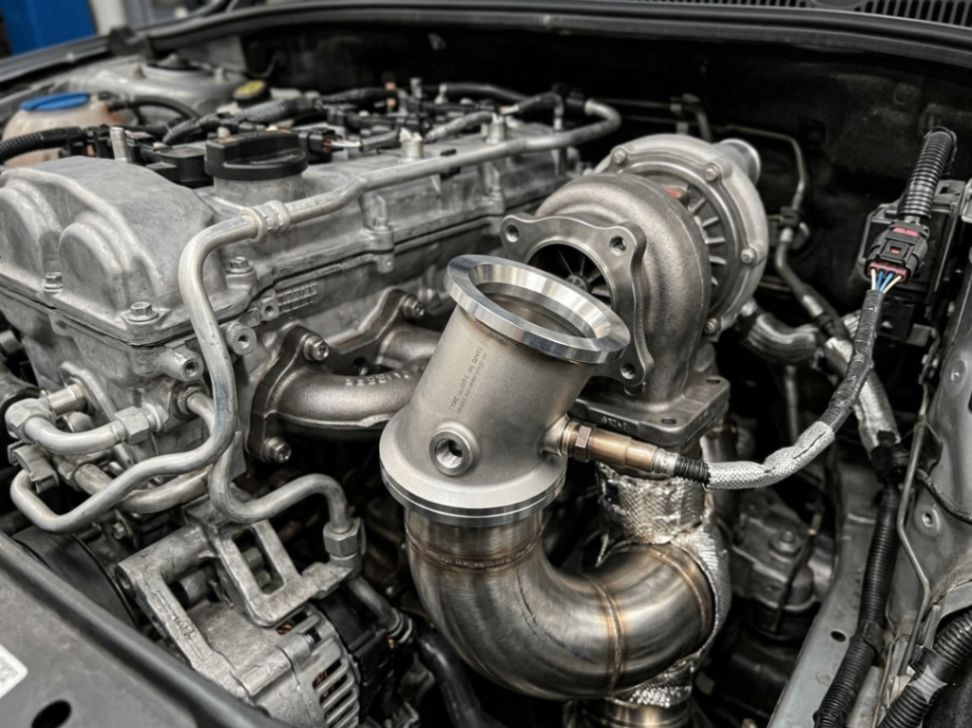
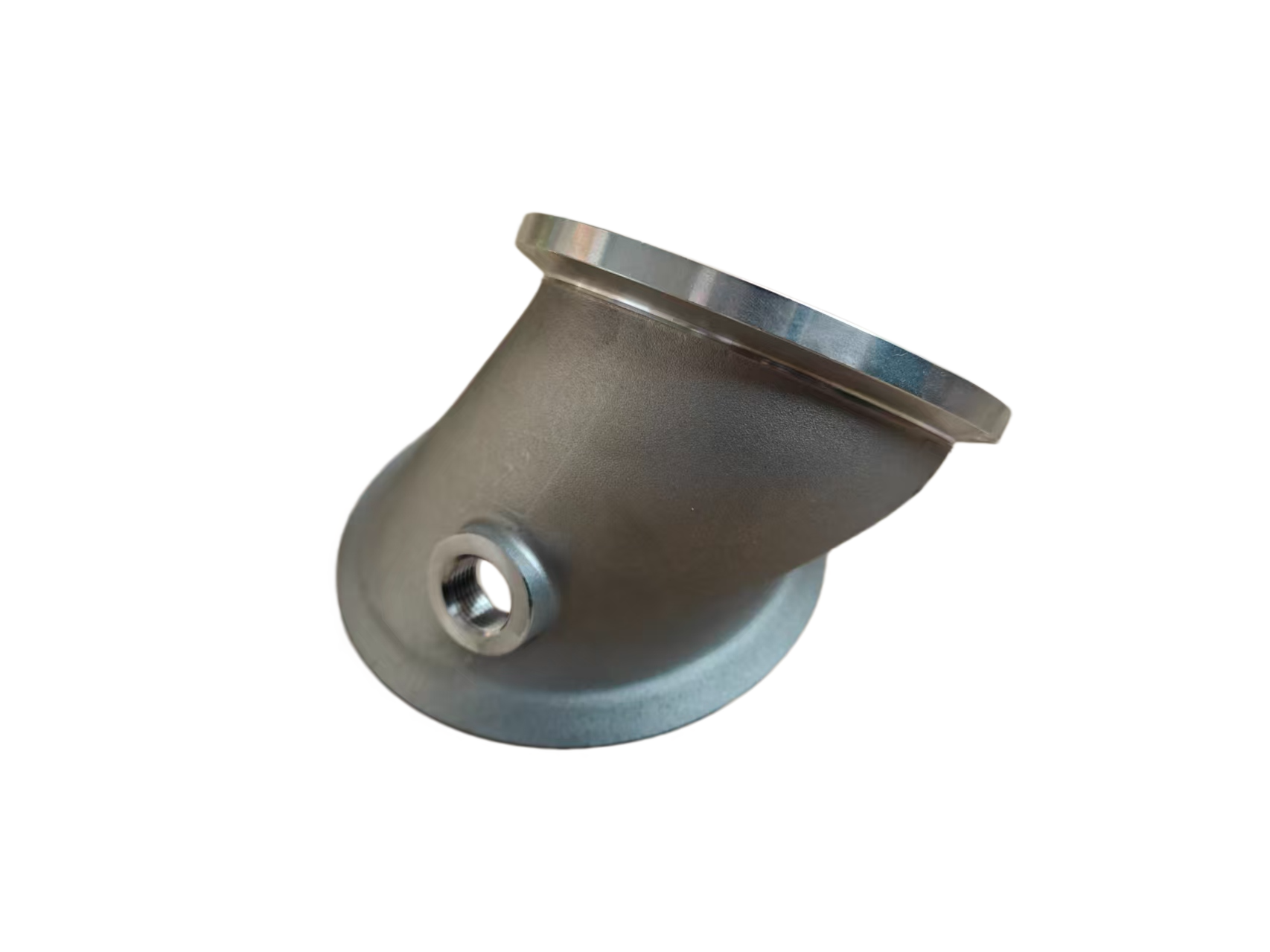
Stainless Steel Connector
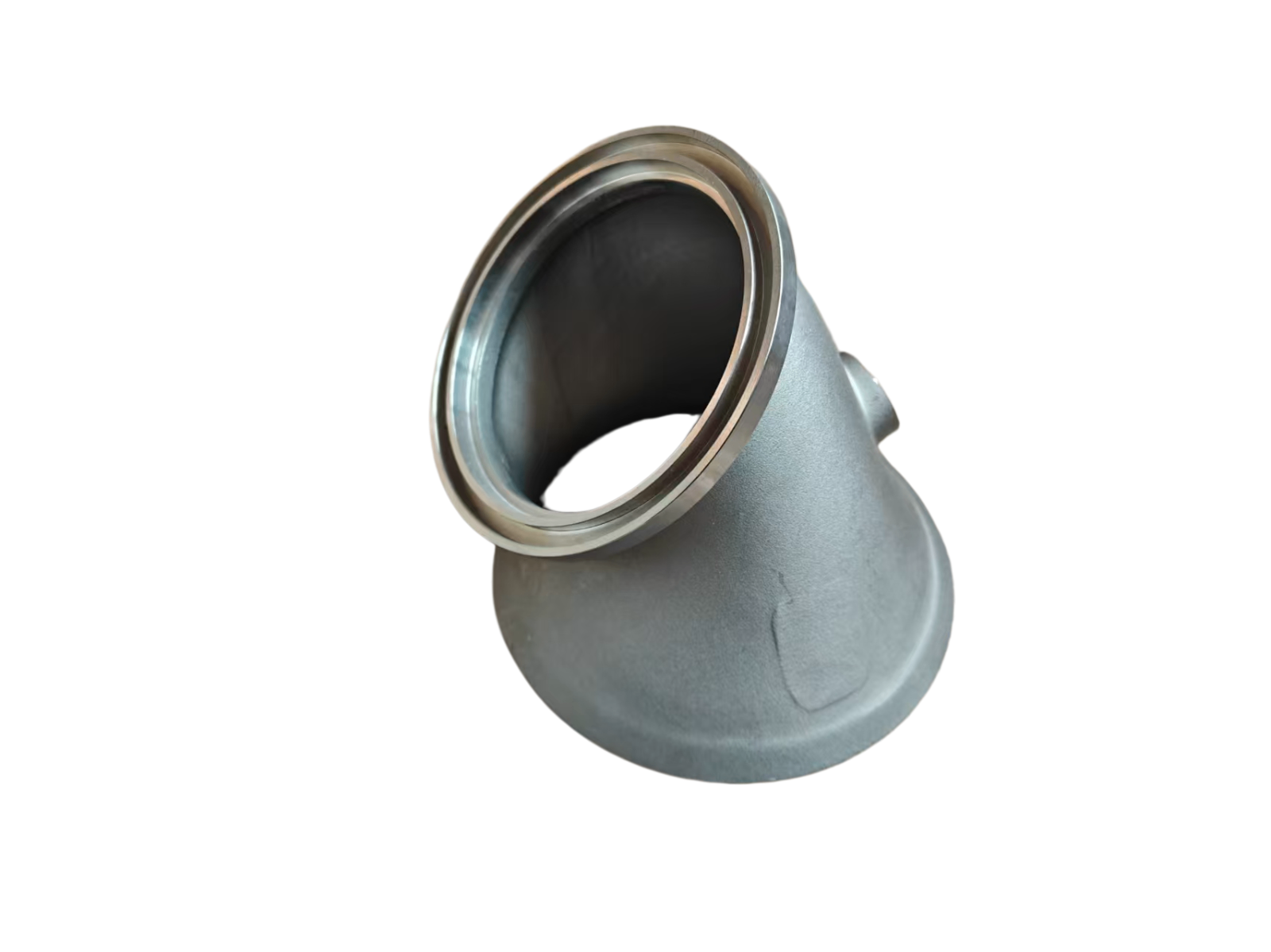
Investment casting (Lost wax) for automotive fitting parts produces high-precision, complex, and durable components, such as turbocharger parts, fuel system connectors, and brake components, often using stainless steel, aluminum, and nickel alloys. This net-shape process reduces weight, minimizes post-machining, and ensures excellent surface finish, meeting stringent performance standards.
Key Characteristics & Benefits
Complex Geometries: Enables intricate designs like turbocharger rotors and engine housings that are difficult to machine.
Net-Shape Precision: Produces parts with high dimensional accuracy, minimizing the need for machining.
Weight Reduction: Ideal for creating thin-walled, lightweight, yet strong aluminum or steel parts that improve fuel efficiency.
Material Versatility: Uses high-performance metals like stainless steel, ductile iron, and aluminum to meet thermal and wear requirements.
Typical Automotive Fitting Parts
Engine & Exhaust: Turbocharger wheels, exhaust manifolds, EGR housings, and valves.
Suspension & Transmission: Control arms, brackets, gear components, and sensor components.
Structural & Functional: Door handles, brake system parts, and fuel injection components.
Process Summary
The "lost wax" technique involves creating a wax pattern, creating a ceramic shell around it, melting out the wax, and filling the mold with molten metal, resulting in consistent, high-quality components