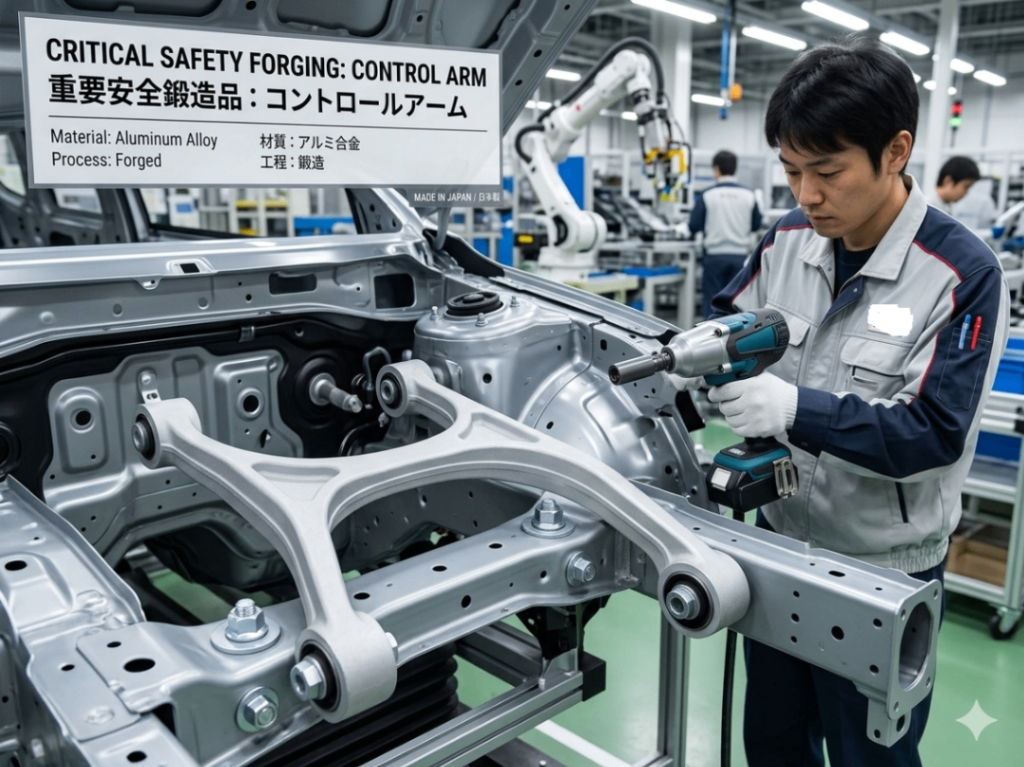
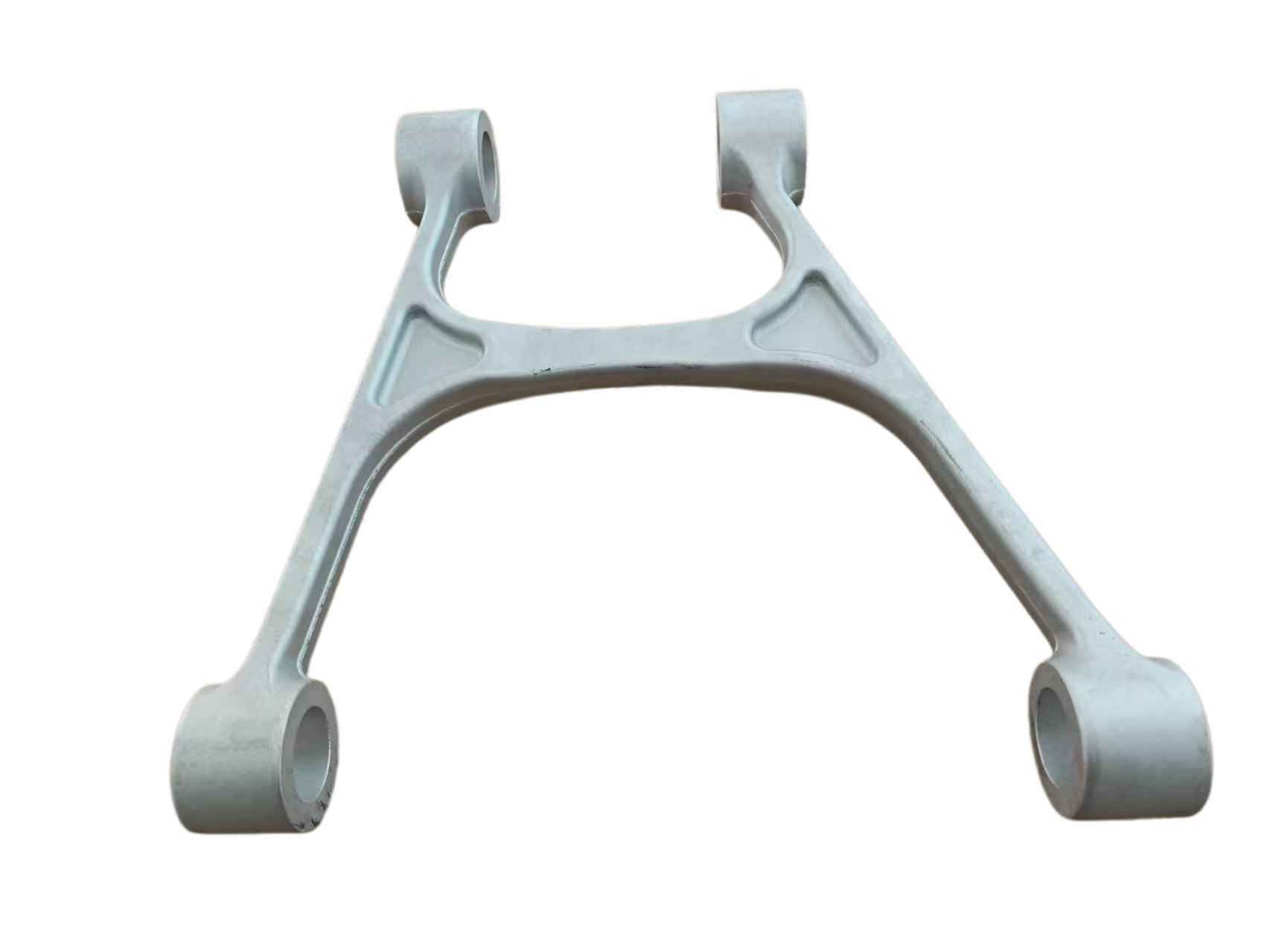
Aluminum Control Arm
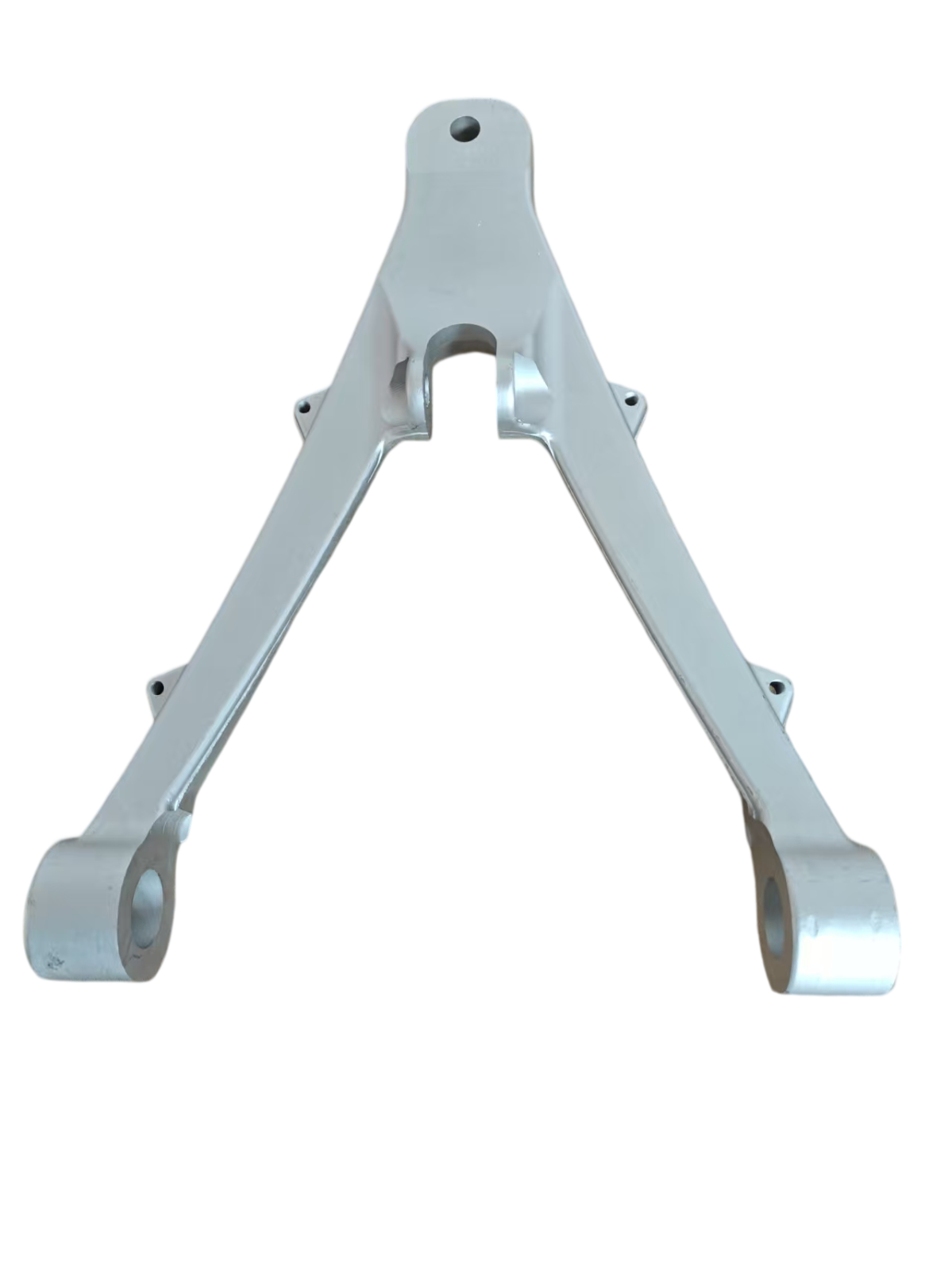
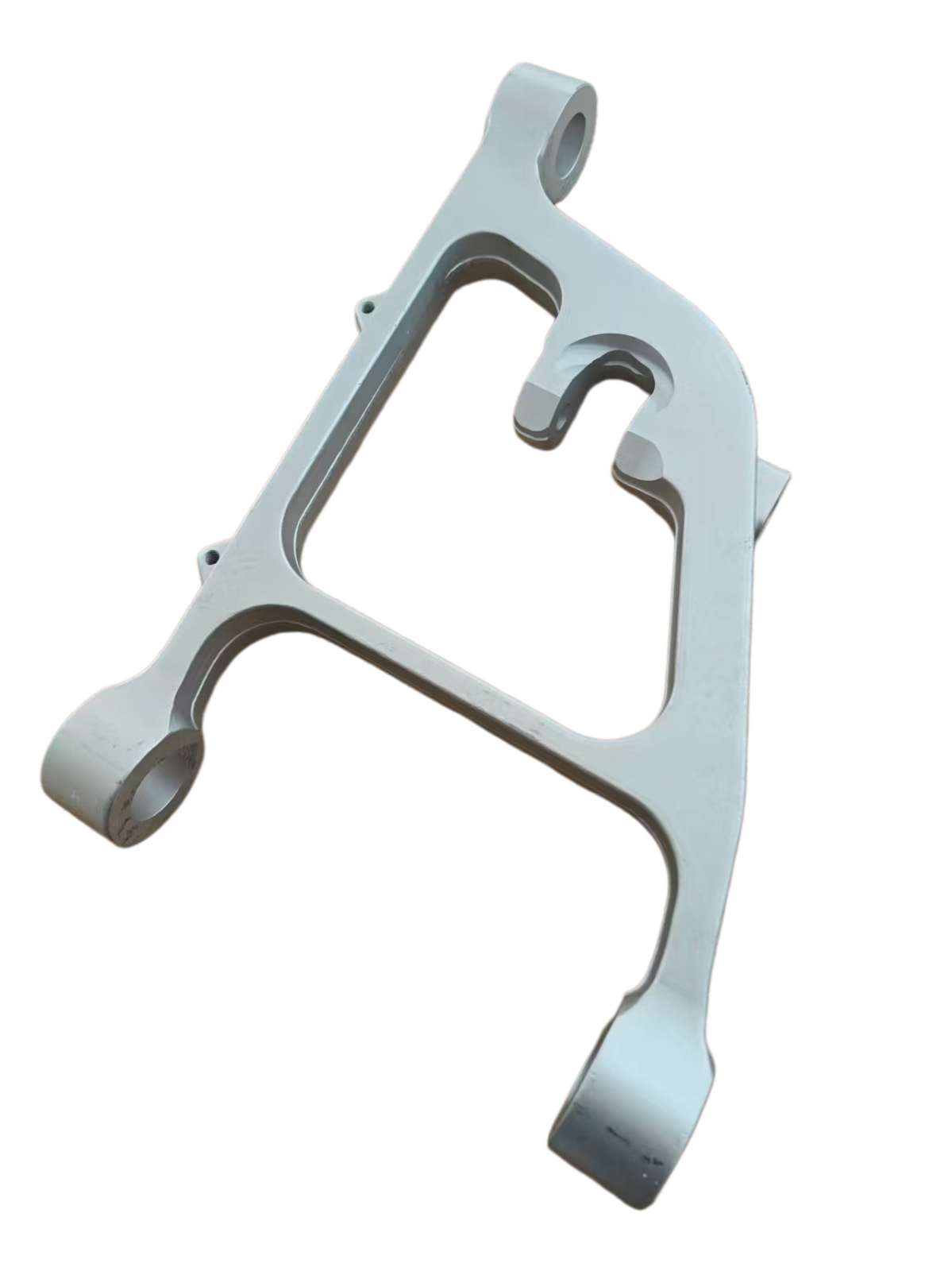
Forged aluminum suspension parts, such as control arms, knuckles, and struts, are lightweight, high-strenth components crucial for modern vehicle performance and fuel efficiency. Created by applying immense pressure to heat-treated aluminum alloys (e.g., 6061, 6063), this process refines the grain structure, removing internal flaws and producing a superior strength-to-weight ratio compared to cast aluminum or iron parts.
Key Characteristics and Benefits
Reduced Unsprung Weight: Significantly lighter than steel or cast iron, enhancing handling, acceleration, and responsiveness.
High Strength & Durability: The forging process eliminates voids, allowing parts to handle higher mechanical stresses and prevent deformation.
Safety and Impact Resistance: Designed to withstand high-stress environments and often engineered to bend rather than snap during accidents.
-
Corrosion Resistance: Aluminum naturally resists corrosion, ensuring longevity.
Common Forged Suspension Parts
Control Arms (Upper/Lower): Connect the wheel assembly to the chassis, crucial for suspension movement.
Steering Knuckles :Support the wheel hub, allowing it to turn.
Spindles & Strut housings : House bearings and support suspension strut assemblies.
Sway Bar Links: Improve stability during cornering.
Common Alloys and Production
Alloys: 6061-T6, 6063-T6, 2618 (known for excellent strength and forgeability).
Production: Typically uses closed-die forging followed by heat treatment to achieve high tensile and yield strength.
Application: Widely used in performance vehicles, luxury cars, and electric vehicles (EVs) seeking increased range through weight reduction.