
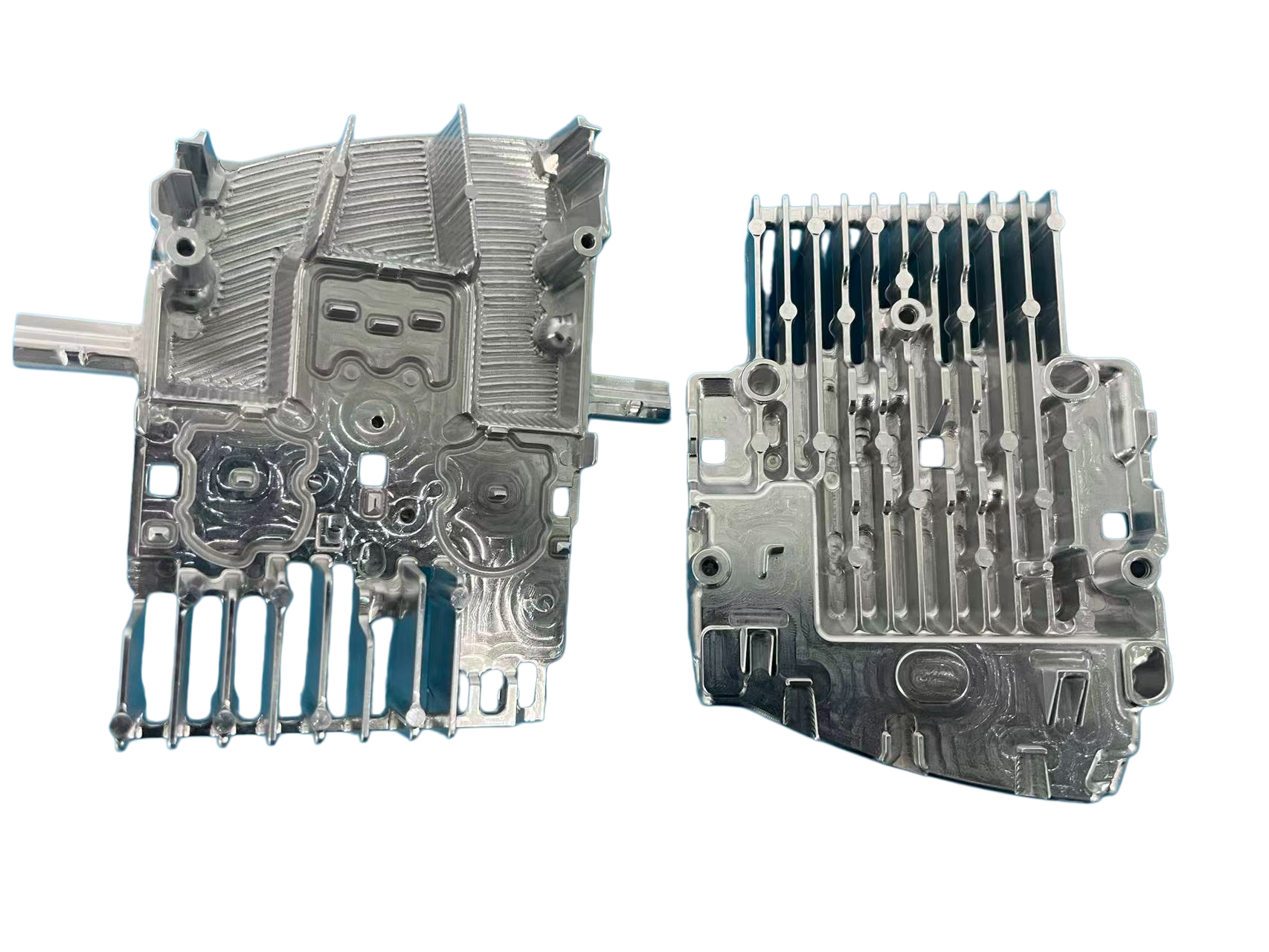
CNC aluminum Heatsink
Aluminium heat sinks are passive heat exchangers that coold electronic components by increasing surface area for heat dissipation. They are lightweight, cost-effective, and highly conductive, making them ideal for CPUs, LEDs, and power transistors. Common fabrication methods include aluminum casting, aluminum CNC from billet, with optional anodized finishes
Key Features and Benefits
High Efficiency & Low Weight: Provides excellent thermal management while remaining light, with a density of roughly 2,700 kg/m³.
Optimal Surface Area: Finned profiles increase the contact surface, allowing more efficient heat transfer to the surrounding air.
Versatile Manufacturing: Easily extruded or machined into various shapes and sizes to fit specific components.
Durable & Affordable: Resistant to corrosion and economical for large-scale applications.
Common Applications
Electronics Cooling: ICs, MOSFETs, diodes, and power amplifiers.
LED Lighting: Large heatsinks used for high-power LED arrays.
Industrial Machinery: Power supplies, solar inverters, and automotive systems.
Computing: CPU and chipset coolers.
Commonly Used Alloy:
60 series aluminum is the most commonly used alloy for extruded heat sinks due to its balance of thermal performance and extrudability. CNC machining heatsink mostly for prototype purpose as Design Testing phase.